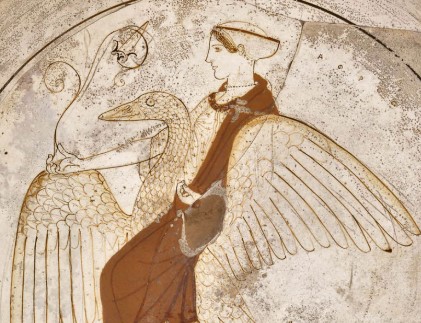
Aphrodite born of inseminated sea foam. Her name evokes the froth (aphros) and hints at deep currents. Sailors would intuitively know how they are moved by the unseen. The Twelve Olympians that appear as the definitive powers holding dominion were not the first. Like all Greek myths, they hold power only after family drama andContinue reading “Aphrodite”
Category Archives: Reference Materials
Atalanta
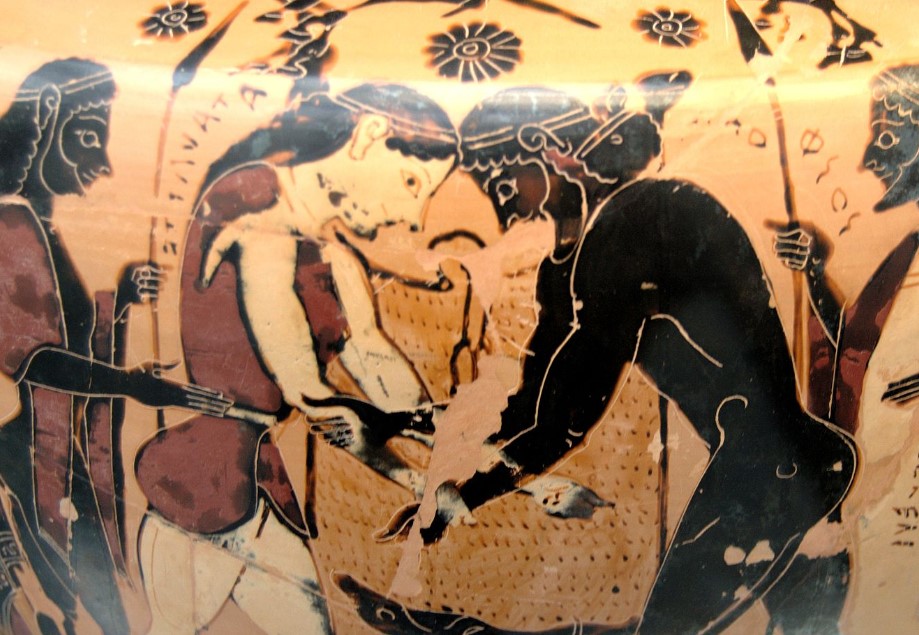
Atalanta intrigues me. She is the only female to compete among the heroes on their terms. There are female warriors, of course, the Amazons, and Medea, a constant reminder of the older, earthbound powers women can summon. But Atalanta stands not as an opponent or enchantress, but as a peer. Who is Atalanta? She isContinue reading “Atalanta”
The Golden Fleece
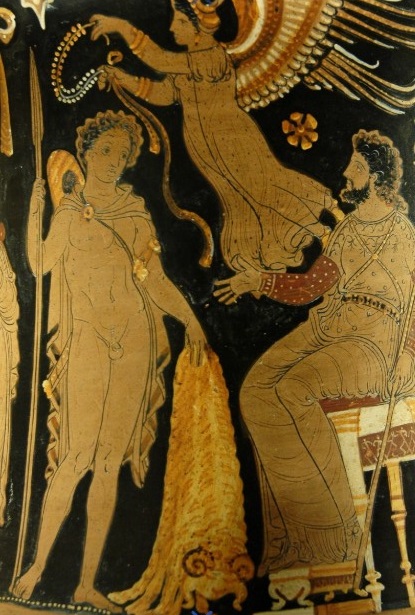
I am not certain if I read too broadly or not concisely enough. In thinking about the Argonauts, I recall the Golden Fleece, a ram’s skin of radiant gold, and immediately think of the golden calf that Moses cast down, and then to scapegoats, Jesus as the lamb. The narratives form a skein that demandsContinue reading “The Golden Fleece”
 Protective Arts