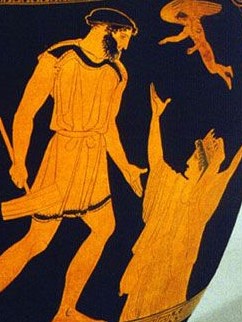
Before Zeus ruled, there were Titans. Prometheus belongs to that earlier generation, a survivor of the war that placed Zeus on the throne. When the Olympians overthrow Cronos and the Titans in the Titanomachy, Prometheus does something unusual: he aids Zeus (Hesiod, Theogony 617–720). At first glance the decision appears pragmatic. The new regime isContinue reading “Prometheus”
Tag Archives: Aristotle
The Locus of Human Action
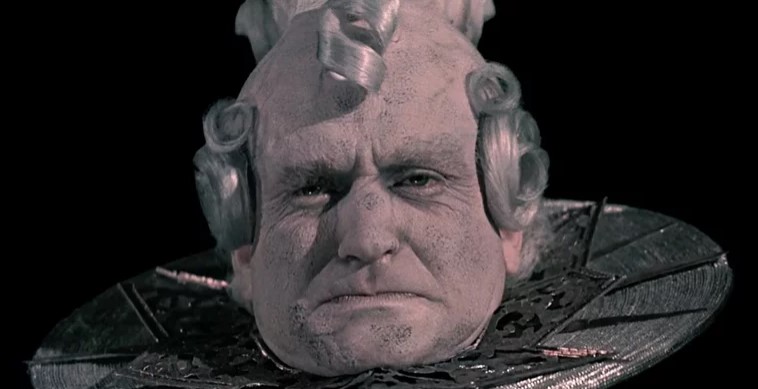
The funniest critique of Cartesian dualism ever put to film occurs on the moon. In Terry Gilliam’s The Adventures of Baron Munchausen (1988), Robin Williams plays the King of the Moon: a giant disembodied head floating serenely above his own detached body. The head is refined, articulate, and philosophical. The body, meanwhile, rampages below: lustful,Continue reading “The Locus of Human Action”
Medusa
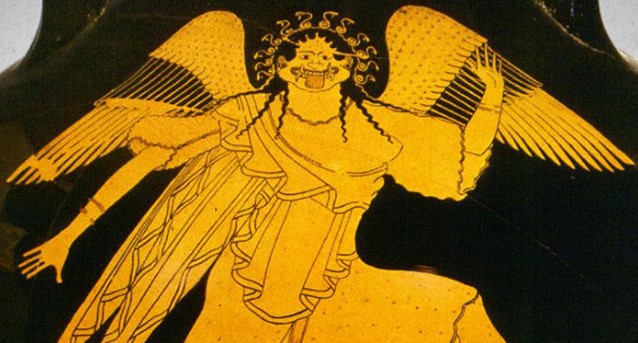
The power of sight. Aristotle captures is succinctly: All men by nature desire to know. An indication of this is the delight we take in our senses; for even apart from their usefulness they are loved for themselves, and above all others the sense of sight. Metaphysics 980a:21 Sight is superior because it reveals theContinue reading “Medusa”
 Protective Arts