
Delphi emerges as a Panhellenic sanctuary around 650 BCE but it started earlier, much earlier. Inscribed on the pronaos of the Temple of Apollo was the threshold admonition: γνῶθι σεαυτόν, gnōthi seauton, know thyself. It was never therapeutic advice. It does not mean discover your preferences or honor your feelings. It means: know what kindContinue reading “Delphi: Know Thyself”
Tag Archives: hubris
The Use of Myth
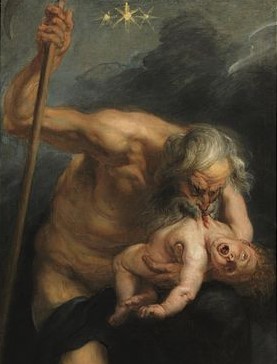
Hesiod stands at the beginning. He is the first to write down stories that had been circulating for centuries. His account is not a moral arc in the way the Hebrew tradition would later tell its story. Hesiod is part farmer’s almanac and part chronicler. This is how the seasons work, and this is whoContinue reading “The Use of Myth”
Heracles
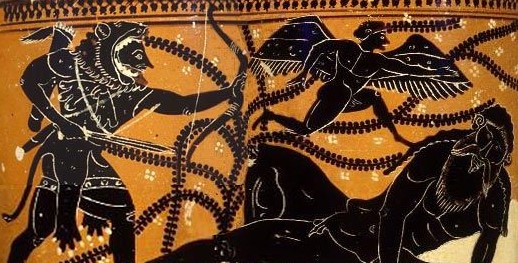
In most tellings, the Labors come later. Heroic, impossible tasks imposed to atone for the uncleansable act of killing his own children. Violence precedes expiation. Crime is answered by ordeal. Euripides reverses the order. The Labors come first, to prove that achievement is no protection. The monsters are dead. The roads are passable again. TheContinue reading “Heracles”
 Protective Arts