Serendipity lead me to study Aikido.
It started with the Tao Te Ching.[1] I encountered the Tao Te Ching at a small venue (Milton Hall) music performance by David Darling my mother dragged me to. It was probably 1984 and he was taking a break from playing the cello, but reading sonorously while pre-recorded music played, almost covering his words. I couldn’t make out what he was saying, but it drew me. After the show I asked him what the material was: the Tao Te Ching. Living in harmony with the Tao is ‘the Way.’
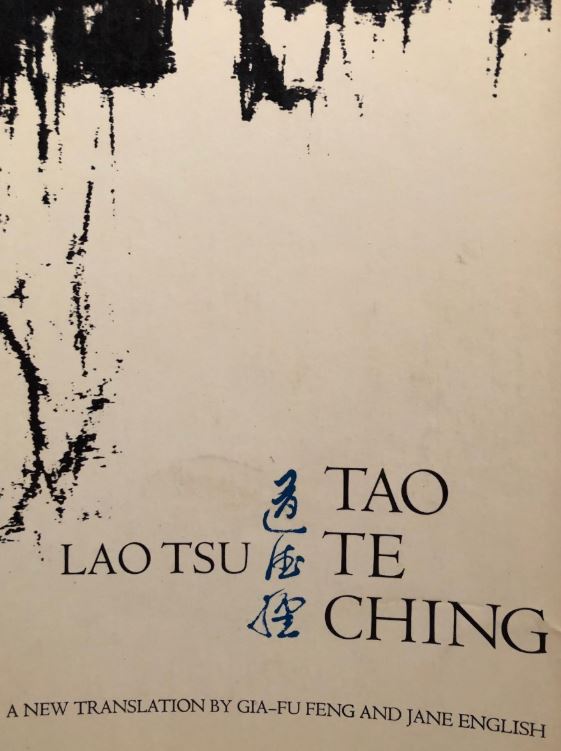
道
The ideograph for ‘tao’ is is the same as the ‘do’ in Ai-ki-do – 合気道
Around that same time, I visited my uncle who was then a carpenter with the Boston Museum of Fine Arts making display boxes, turning the spindles for scrolls, and an occasional shirasaya for the lesser katana in the collection. My uncle had access to the collection and as a young man I was able to hold a 16th century katana. It wasn’t one of the premier swords, but I remember feeling connected to that Shogun (1980) inspired past, marveling at the polish of the steel and the keen edge. I coveted that sword.
Although I had dabbled with martial arts and was a devote of instinctive recurve archery, I only started serious training after graduating college. I was living in Salt Lake City and wandered past a dojo where the students were doing iaido.[2] I wanted to learn to use a katana, so I asked to start training but was told I had to do the body art first. Begrudgingly, I started Aikido (1990) with the explicit goal of learning iaido. It didn’t take long for me to realize that I enjoyed the fluidity of the body arts far better than the rigid rules of iaido.
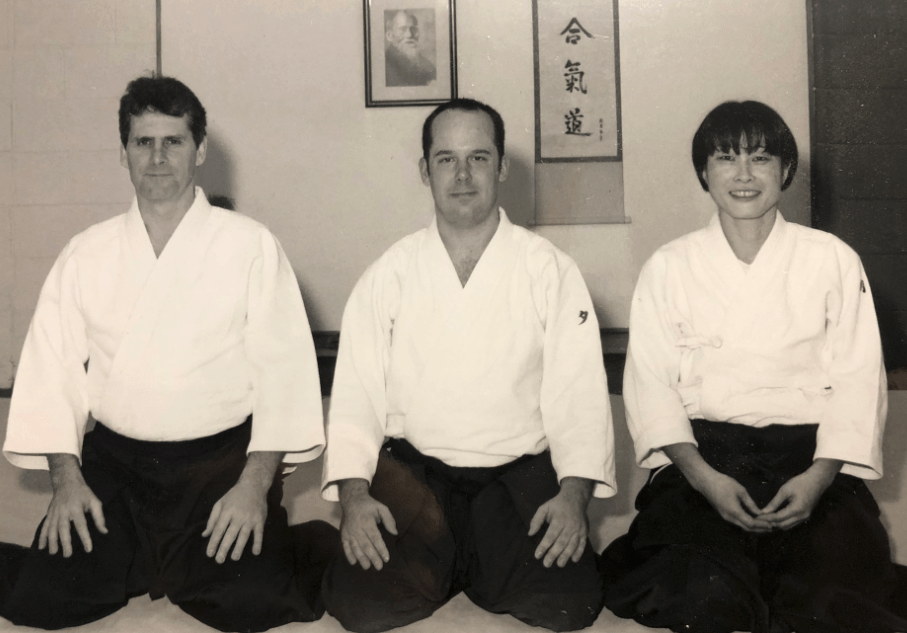
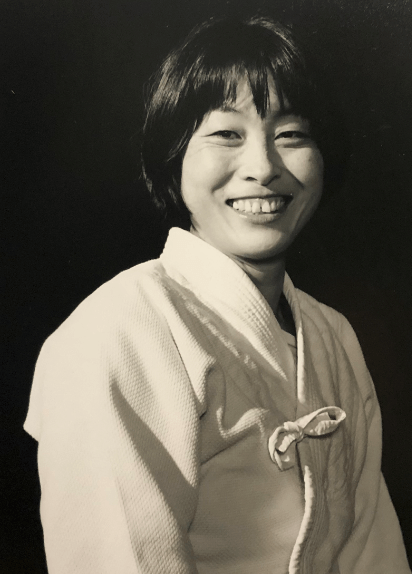
I wasn’t long for Utah and returned to the only other city I knew, Portland, Oregon. I lucked into finding Two Rivers Aikikai where there was a confederation of teachers, Chris Mulligan and his wife Yoko among them. It was just a little more than a year there before a few of us (Scott Margraf was most vocal) encouraged Chris and Yoko to start their own dojo. Shortly thereafter, they founded Portland Aikikai (1992).
Chris and Yoko dedicated the early years to drilling the basics, trying to raise our general competency so that they could actually train again and not just teach. We traveled to seminars, following Chiba and Shibata sensei, visiting Bluhm and Bookman sensei and attending every Yamada sensei seminar on the west coast. In addition, beecause of their deep connection to Hombu, Chris and Yoko were able to bring numerous Shihan from Japan: Osawa, Masuda, Yasuno, and Yakota most memorably.
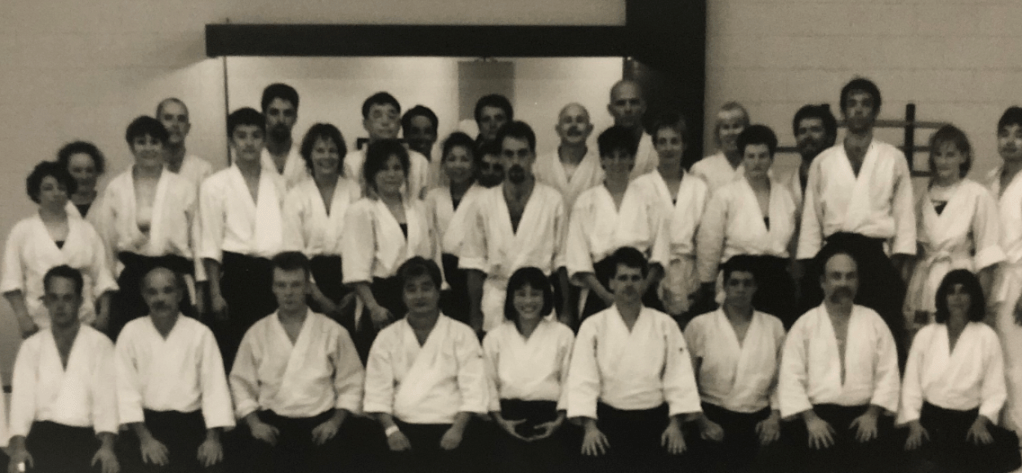
I left for Japan in late 1995 for a three-month intensive at Hombu dojo with a letter of introduction to Yamaguchi sensei. When I arrived at Hombu Dojo, Masuda sensei[3] was at the front desk and recognized me. He introduced me to the Japanese uchi-deshi and Tony Hind who became my training partners for the next three months.
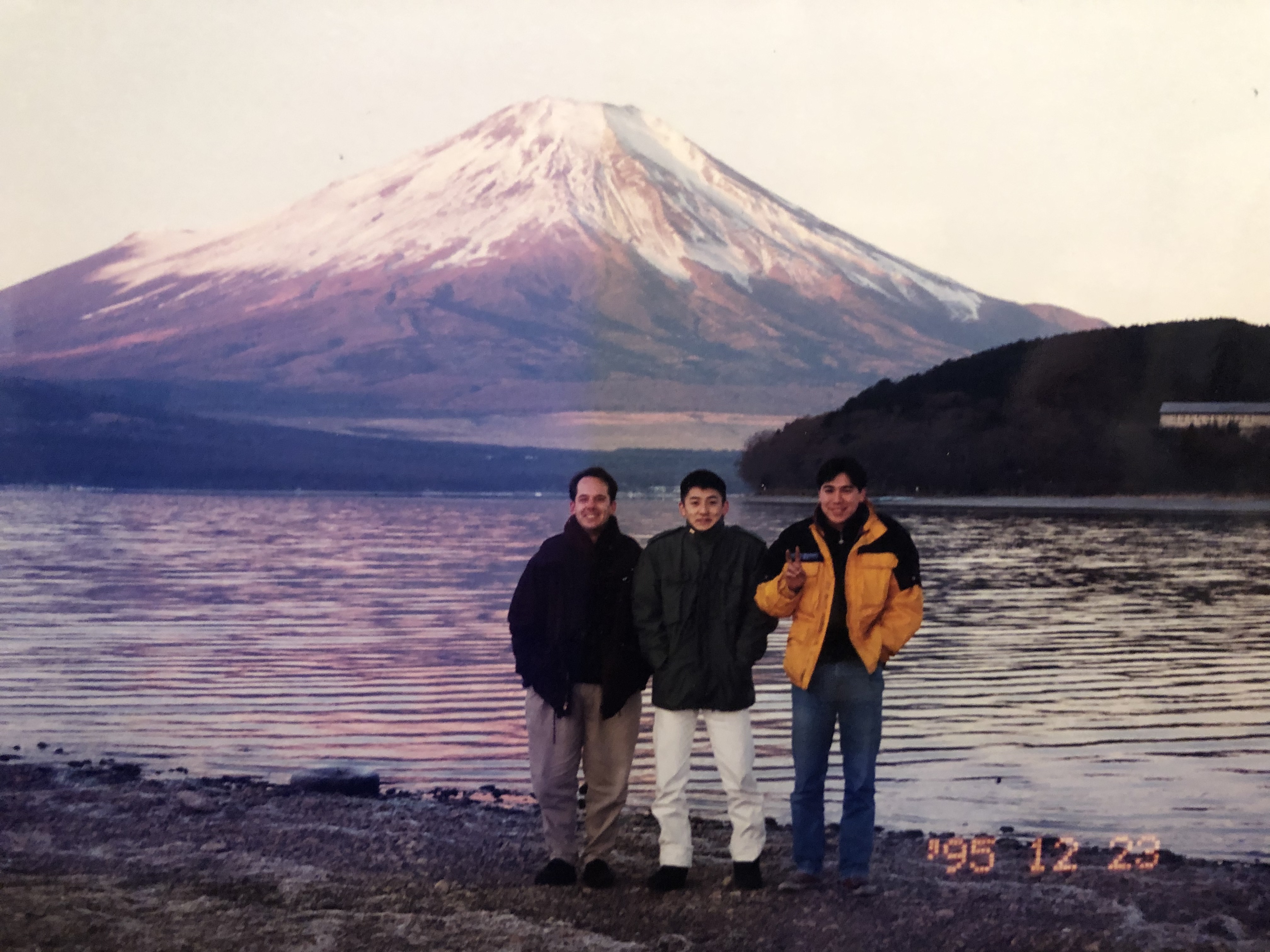
I arrived in Japan is late September. It was hot and muggy so I was barely able to keep up. It was either Mori or Sakurai Hiroyuki I was training with and they looked at me dismissively as I sat to catch my breath that first day.[4]
But I acclimated and the uchi-deshi became my regular training partners along with Irie Yoshinobu who was sempai to us all. Irie also translated for me in Yamaguchi sensei’s class so I could understand precisely how wrong all my movements were. Because I had met several of the shihan in America and because Chris and Yoko were well respected, I was treated as an honored guest. But that also meant I was fair game. During Doshu Kisshomaru Ueshiba’s morning class, Tony Hind was throwing me vigorously the distance of several tatami, which got Miyamoto sensei’s attention. He came over to scold Tony for throwing a new visitor so aggressively. When Tony explained I was Yoko’s deshi, Miyamoto sensei smiled knowingly and let Hind sensei continue the punishment.
Because I idealistically believed that the training and lessons of the body were more important than documenting the experience, I have no photos of or signatures from the instructors at Hombu. This pre-dates digital images, so it was more challenging then and it remains my biggest regret.
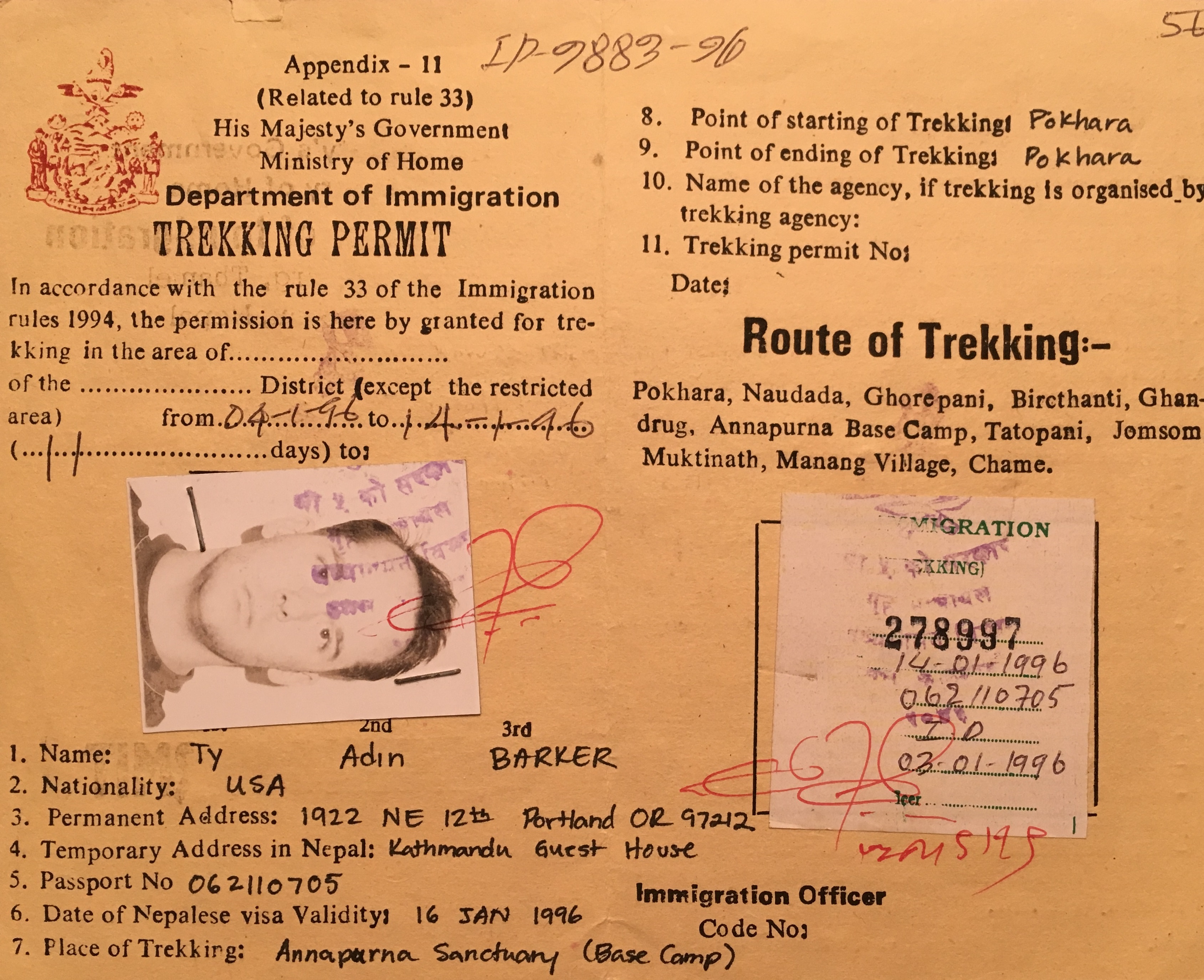
After Japan, I spent a few weeks in Thailand, and a month in Nepal hiking the Annapruna Circuit where I nearly ruined my knee trekking. I recuperated in Tadopani where I met Renato (an Italian) and his girlfriend Monica (a German national). He too had ruined his knee, so we limped out together and he invited me to stay with him if I ever made it to Italy.
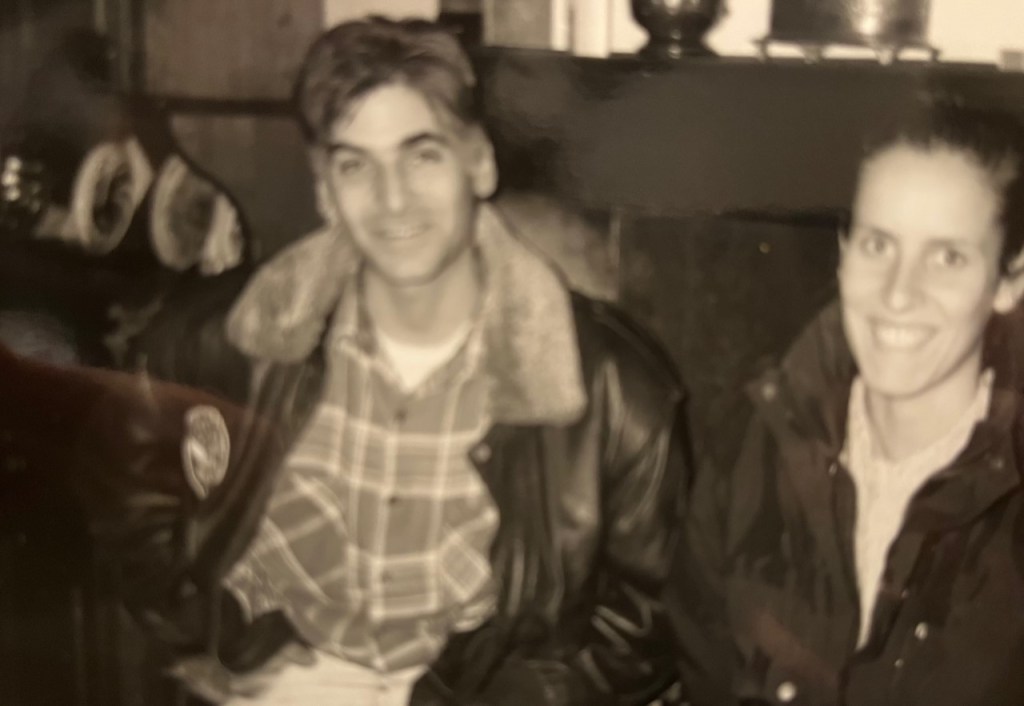
I had intended to go overland from Paris through the Basque country to leave Europe from Lisbon, Portugal but I changed plans when I arrived in Paris. Paris enchanted me, and the Louvre kept drawing me back. I also decided to visit Renato who lived in Trieste, Italy.
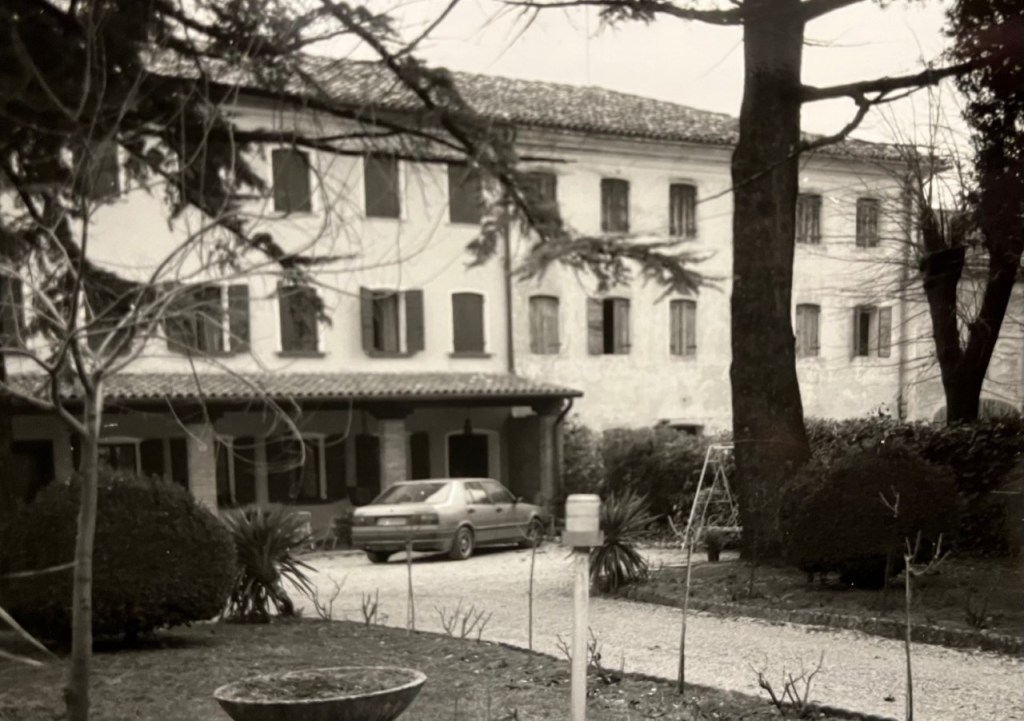
His family villa was only half occupied even though he, and his older brother still lived there with his parents. They tended vines and made wine, but Renato’s love was Karting. While I stayed with him, he, Monica and I made an overland karting engine delivery to Zagreb, a relatively short drive, but it took us through Slovenia into Croatia.
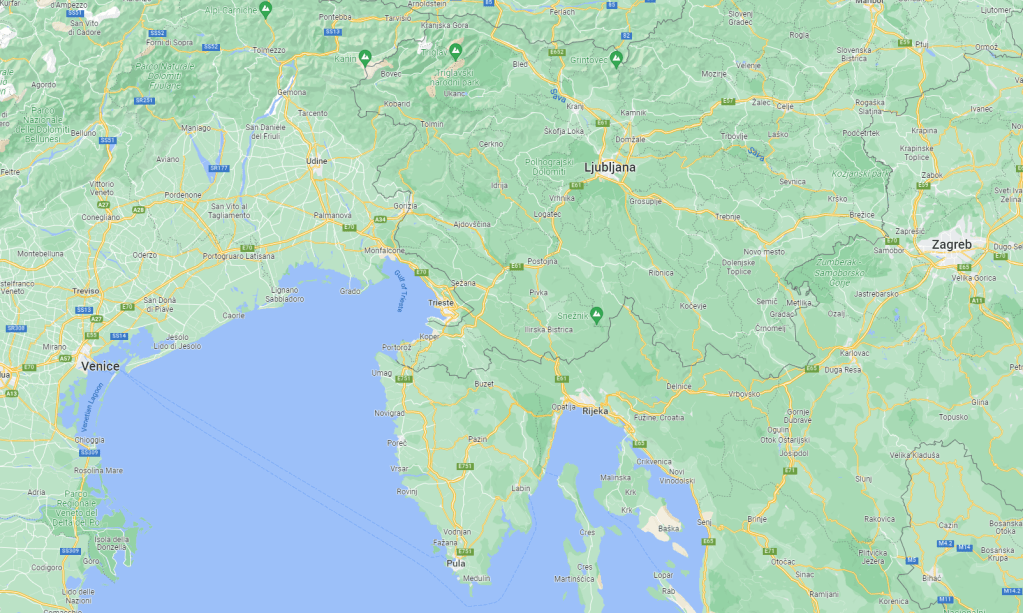
The border crossings were un-nerving, but once in Zagreb were hosted by Peter Turkovic. He and I quickly discovered that we shared a love for the martial arts, he was the head of the Nanbudo federation and invited me to stay to teach in his dojo.
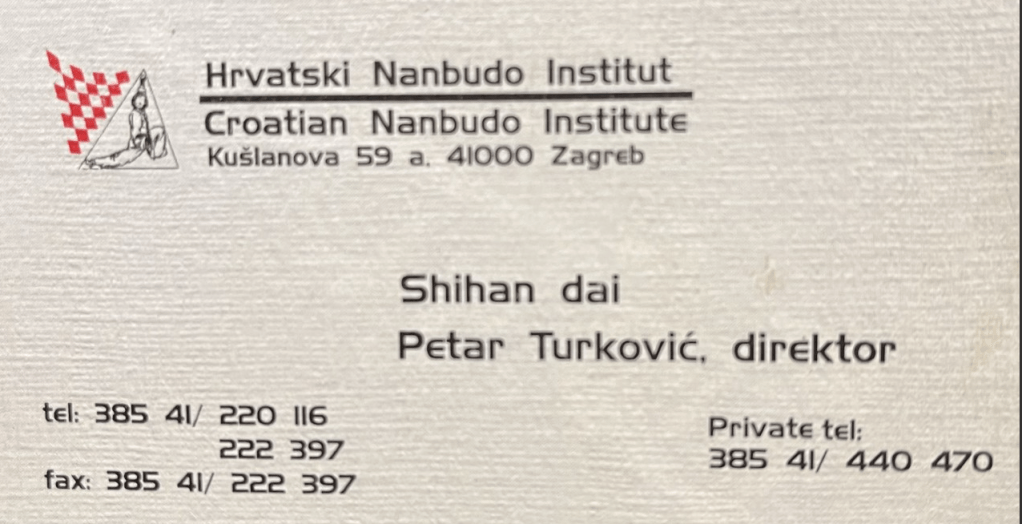
This is not a testimony to my skill as a seasoned shodan, but rather the lack of Aikidoists in Croatia at that time. My relatively low-proficiency as an Aikidoist was confirmed when I returned to France.
The quality of training at Cercle Tissier was better than Japan. I trained there only a month and Tissier’s senior students would not allow me to move them unless my execution was perfect. Sadly, while I was in France Yamaguchi sensei died so Tissier Sensei returned to Japan to honor his teacher and attend the funeral.
The death of your teacher is a powerful event. When I returned to Portland Aikikai after more than six-months of travel, Okamoto sensei said to me, “He waited for you.” She was convinced Yamaguchi sensei waited so that I could train – however briefly – with him, her teacher, so as to pass on the spark. Serendipity or fate? Regardless, teaching an art – passing on the spark – is a grave responsibility.
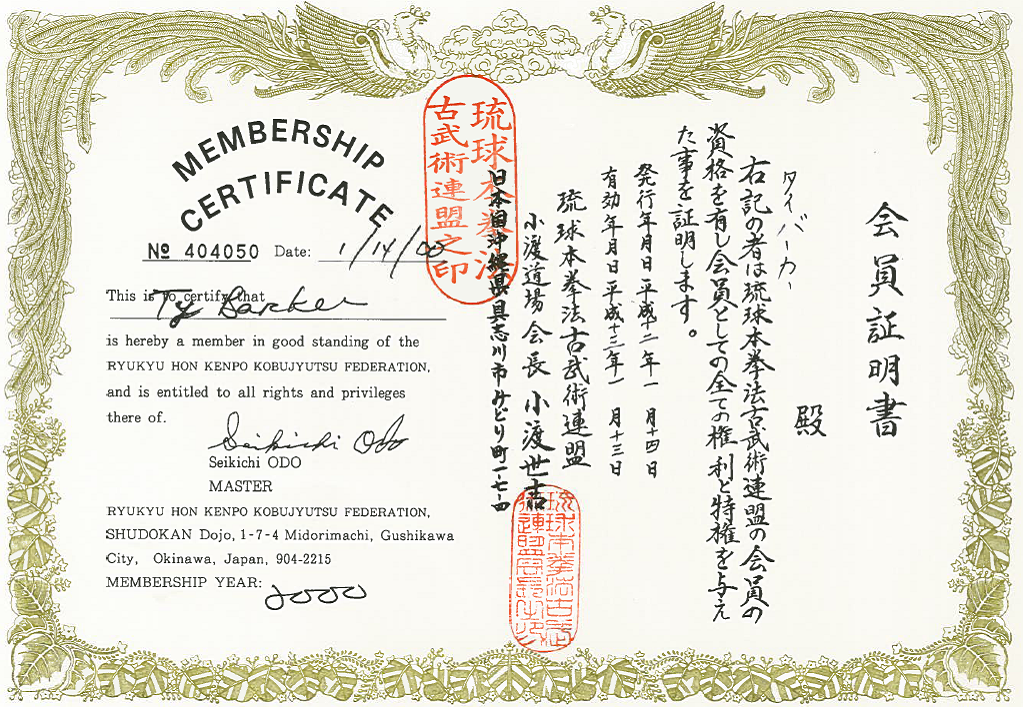
Upon returning to Portland, I committed myself to training full time and began teaching classes a year or so later. Gonzo Flores, who was a regular student then, was also a certified instructor in Ryukyu Hon Kenpo Kobujyutsu and I studied under him for several years. Okinawa Kenpo was a good compliment to my Aikido, but an Aikidoist I remained. I had the good fortune to be uchideshi to Chris and Yoko until they returned to Japan – twelve great years of tutelage.
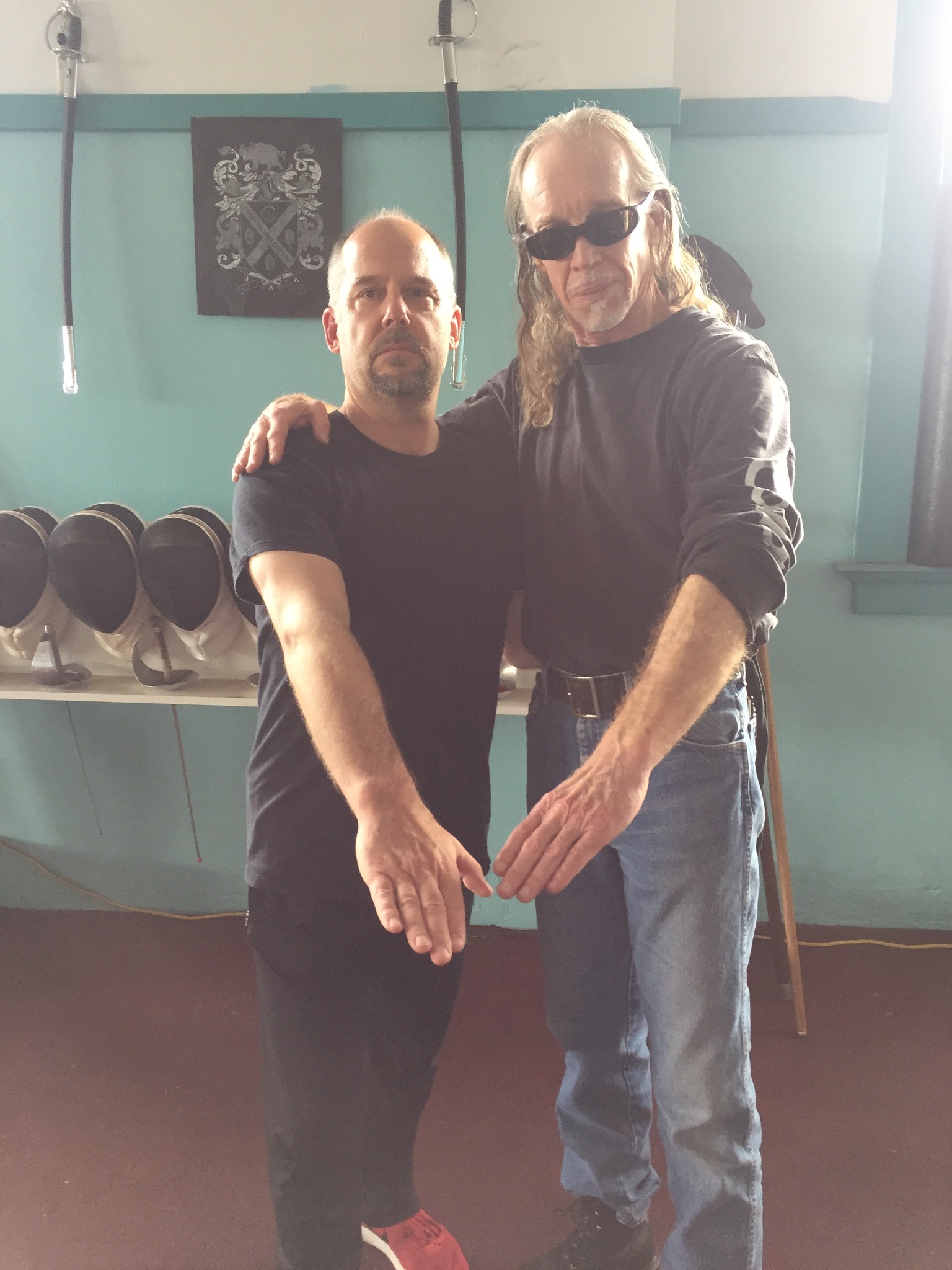
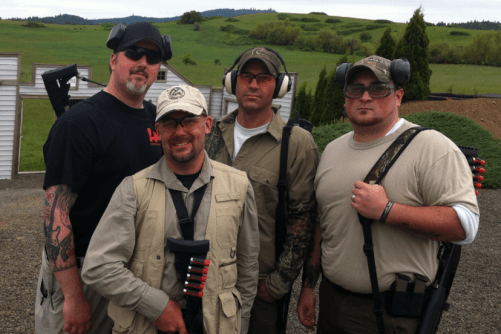
Since Chris and Yoko’s return to Japan, I have tried to impart the ‘spark’ and keep the spirit of Portland Aikikai vibrant. Imparting inspiration for years is challenging. Without the daily input from my teachers, I needed to find an additional guides to keep me on the path. I pursued modern combatives (armed security and pistol craft) with dedicated seriousness for several years (2007-2016) and beginning in 2015, I branched out to augment my Aikido with Kali and JKD under Master at Arms James A. Keating, whose influence will be immediately apparent in my posts.
_______________________
[1] My college roommate, Mark Redhead, was a poly-sci major who was fond of Habermas and enjoyed classifying. He pegged me as a neo-libertarian, Taoist with imperialist tendencies. I didn’t know why he added a neo- prefix, but I never argued with the label. The older I grow, the more appropriate the label seems to be. Mark died, aged 50, December (2018). He was a professor of political science, tenured at California State University, Fullerton. I had not kept in touch with him since graduation, but as Freshmen we spent more than a few late-night hours debating and playing intellectuals. We were an unlikely pairing: he from Santa Barbra with English parents, his father an independent wealth manager; me with artists for parents and from rural Connecticut when there were still active dairy farms. (When John Pock asked me where I was from, I answered, “rural Connecticut” he rebutted, “No such thing.”) Mark was a sailor and always wore shorts, even in the middle of winter. I affected preppy attire because that’s how Litchfield county dressed in the early 80s. Mark taught me to play racquetball and let me use his orange 1978 Datsun 280Z. I’m not sure I taught him anything in return but he did use my stereo. (Other college connection – I have cited Flow by Csíkszentmihályi, his son, Chris, was a classmate who left after freshman year.)
[2] Chiba Sensei sent Chris Fulkerson to take over the dojo while I was there.
[3] Masuda Sensei: Seijuro Masuda (b. 1936) was a professional body builder (and reportedly taught Mishima Yukio) before starting Aikido in 1962. Masuda sensei had a great spirit and was a generous man – after his Tuesday class he took me to his traditional haunt a tonkatsuya restaurant near the dojo and paid for my meals. I recall one of his friends (who was a fishmonger) liked to joke about my name because Ty in kanji = red snapper, madai (真鯛, “genuine tai”) – whereas I use 泰 (“calm/peaceful“) to represent my name, not without some irony.
[4] All are now shihan with regular classes at Hombu Dojo.
______________________
Certifications / Training
Active Shooter Response Seminar (2010)
InSights Defensive Folding Knife Certificate (2012)
FAS – Tactical Handgun Certificate
DPSST #43799 Armed/Unarmed (2008-2016)
USAF Membership ID #B652, # 120259
5th Dan (Aikikai, 2012)
6th Dan (Aikikai, 2021)