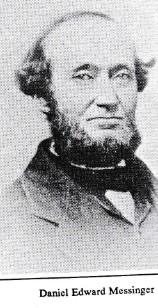
Daniel Edwards Messinger married Eliza Carter Nichols on October 31, 1848. They lived in Uxbridge, Massachusetts, before becoming members of Adin Ballou’s “Hopedale Community” (the dale of hope) in 1852.
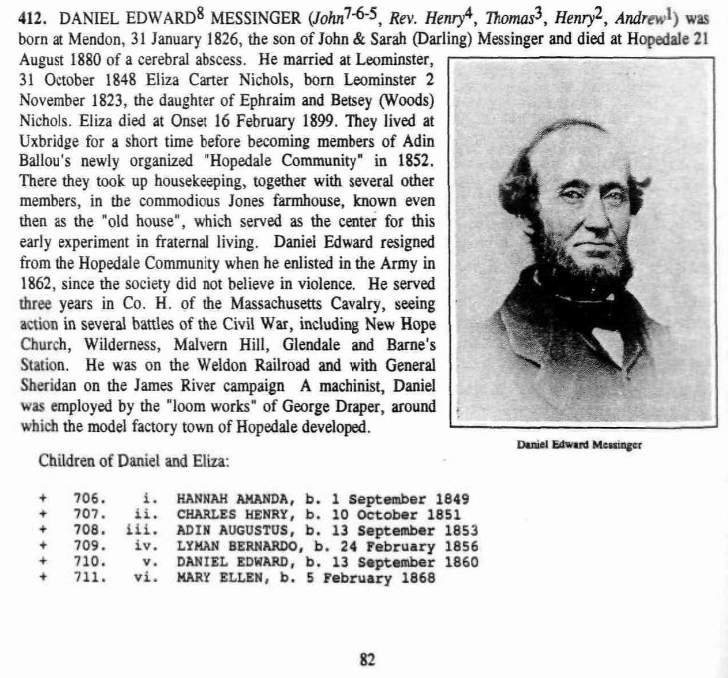
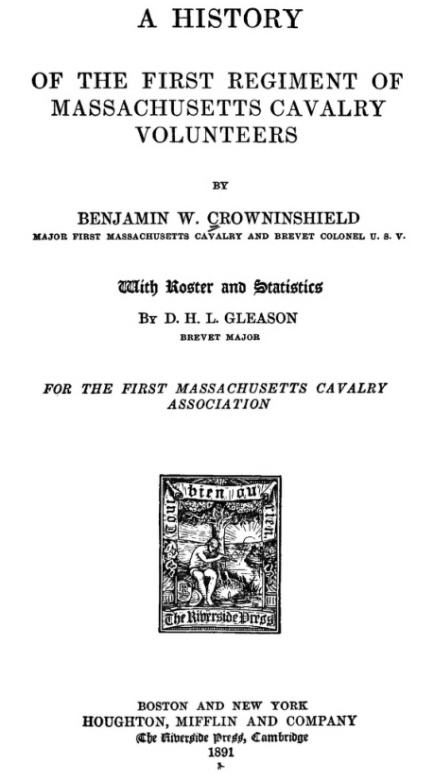
Their placement in the Messinger line and their connection to Uxbridge and Hopedale are documented in The Descendants of Henry Messinger of Boston, 1637 (privately printed, 1994). In the official records of the 1st Regiment, Massachusetts Cavalry, Daniel appears under the spelling “Messenger.” The regimental history lists “Messenger, Daniel E.”, age 36, of Milford, Massachusetts, as a member of the regiment (and associated rosters place him in Company H):
Daniel and Eliza had six children. Their third-born child is my great-great-grandfather, Adin Augustus Messinger:
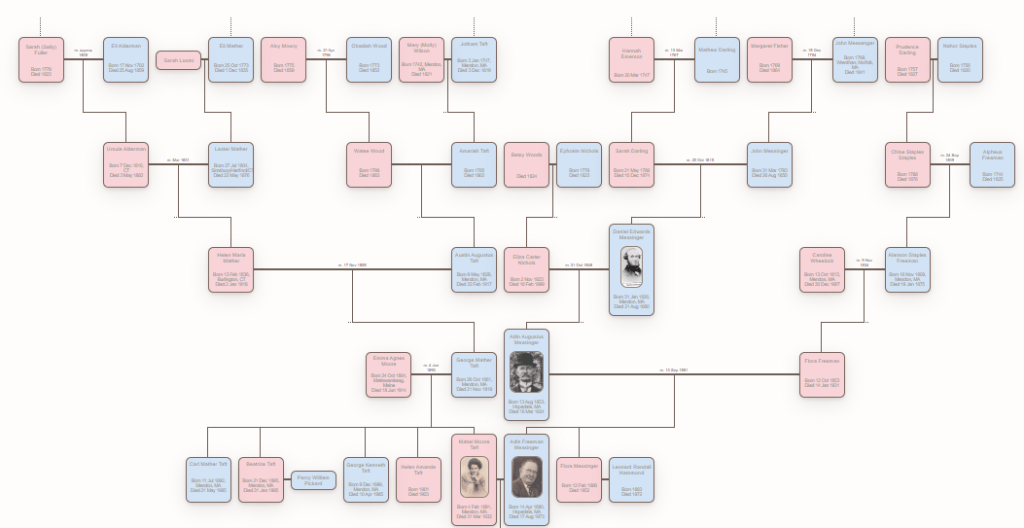
Adin Augustus Messinger is my GG grandfather.
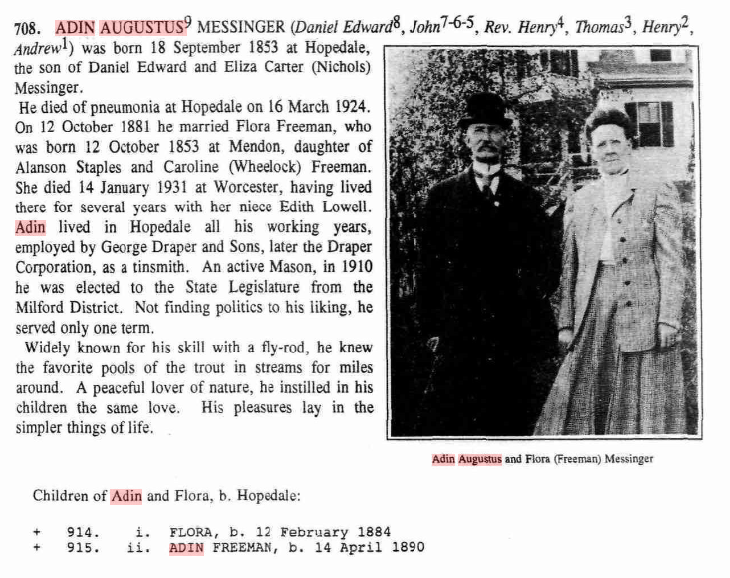
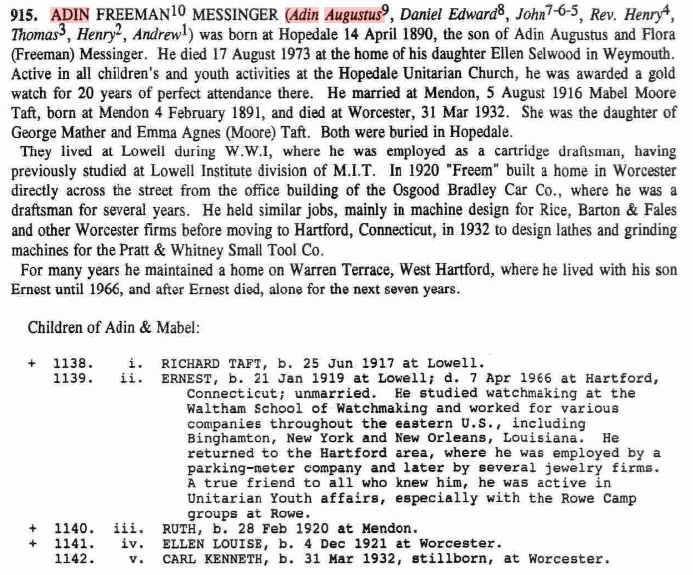
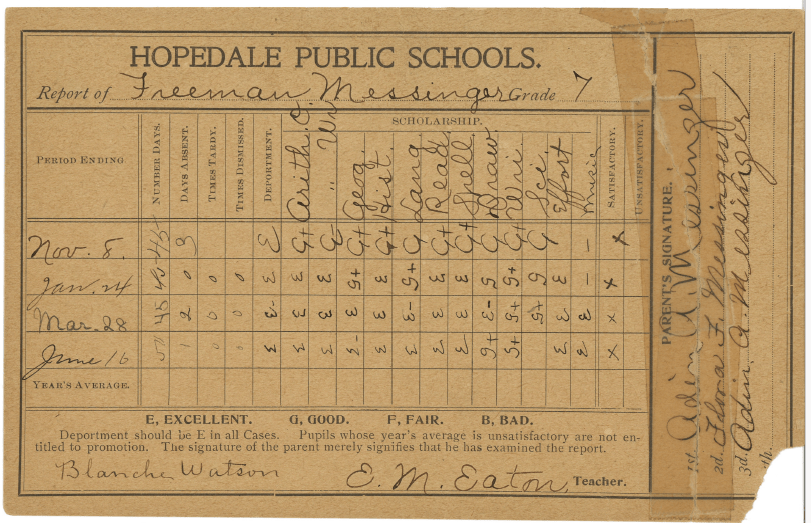
Adin Augustus named his son, my G grandfather, Adin Freeman, preserving both the given name “Adin” and the “Freeman” matronymic as a middle name. This line and the “Adin” naming pattern are laid out in the same Messinger genealogy volume.
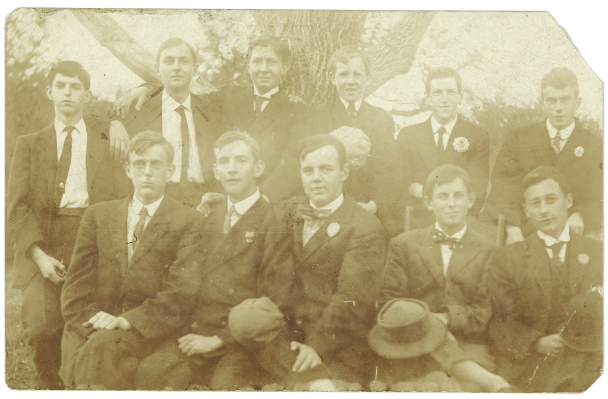
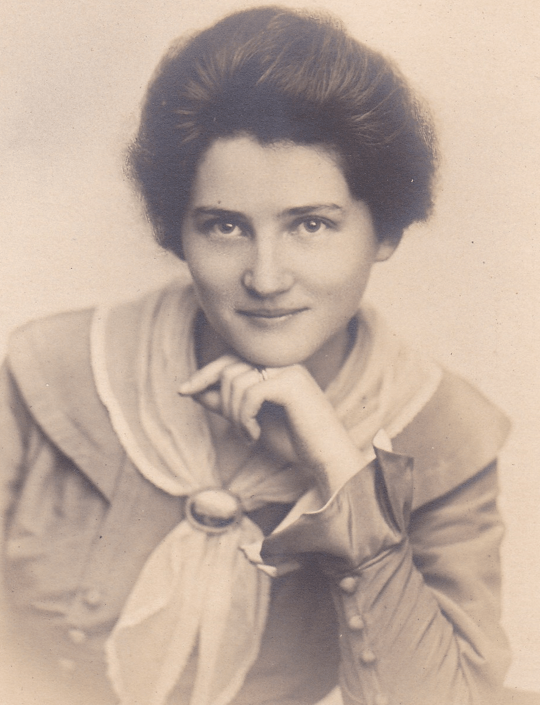
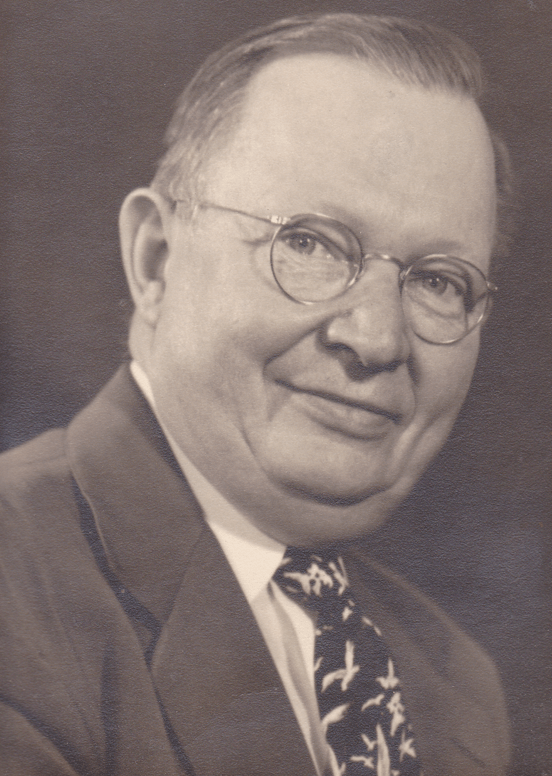
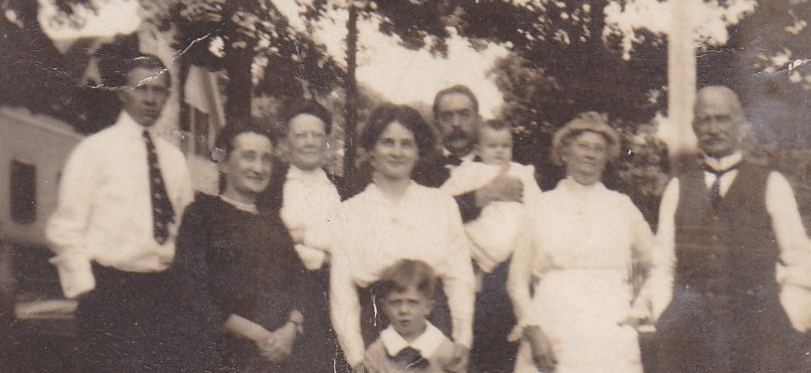
L-R Adin Freeman Messinger, Mary Ellen Messinger, Flora [Freeman] Messinger, Mabel [Taft] Messinger with Freeman L. Hammond, Leonard R. Hammond with Lowell K. Hammond, Hannah [Messinger] Jones, Adin Augustus Messinger
Prior to this research the atypical spelling “Adin” (rather than Aiden, etc.), which is closer to Hebrew, always puzzled me since we have no Jewish ancestry, but the clear inspiration for the family name is the founder of Hopedale: Adin Ballou (his autobiography).
________________________
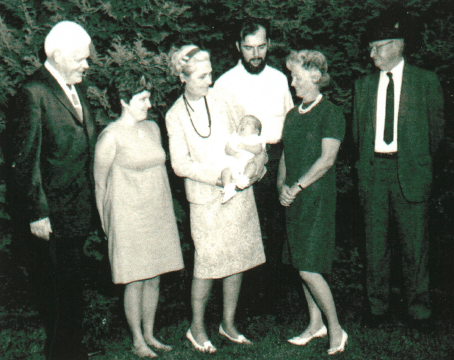
My grandmother, Ruth (Messinger) Gilman, wrote a note to my son Adin when he was a month old, relaying these memories about her father:
Dear Adin (almost a month old!)
We’re so happy to hear you’re here!! You might like to know you’re named for you great, great grandfather Adin – who was named for his father. He also had his mother’s maiden name (Freeman) as you do – you mother’s (DiGiovanni) maiden name.
Adin was born in Hopedale, MA on April 14, 1890, where he lived until he married on August 5, 1916 to your great great grandmother Mabel Taft. They met probably at the Unitarian church socials – as Mabel lived in the next town of Mendon.
He loved baseball and I remember him with the radio and T.V. tuned to the Series games.
Growing up he was interested in children’s and youth activities in the church and was awarded a gold watch for 20 years of perfect attendance.
Adin had a sister Flora who lived all her life in Hopesdale. A very generous lady much loved by all. Adin and Mabel moved to Lowell, MA during WW1 where he was a cartridge draftsman. He had studied at Lowell division of MIT. In 1920 (the year I was born) he built a home in Worcester, MA – across the street from the office building of Osgood Bradley Car Co. where he was a draftsman for several years.
He was a fun loving father, uncle, and friend. In summer he went to Mt. Wachusett area. A large one room cottage bunk beds for the four children and right outside our own lake! Blueberries to pick, etc.
After Mabel died in 1932, Adin and his sons Dick and Ernie stayed in Worcester to finish their last years of high school. His daughters Ellen and Ruth (me) went to Hartford to live with their aunt, Bea(trice) Taft.
In 1936 Adin and the boys moved to Hartford where Adin worked in machine design for Rice, Barton & Fales, then to design lathes and grinding machines for the Pratt & Whitney Small Tool Co. One of the machines – a tap cutting machine – your great grandfather Bernie worked on during WW2.
The only car I remember was a Hupmobile – a large touring car. Time in the summer with the open air blowing – in the winter with the “isinglass window” in – the four of us under blankets huddled on the floor! We spent some time at Cape Cod between time at Mt. Wachusett.
Adin always brought red roses to the Hopesdale cemetery where Mabel and his parents were buried as well as Ernie and his sister Flora.
We always were very careful to keep our elbows off the table – Adin was a “stickler” for good table manners.
One of Adin’s expressions was “Don’t plague him” an expression your grandmother Lori heard fairly often as she teased your great uncle Gary or R. Adin.
He was a loving father, grandfather and great grandfather.
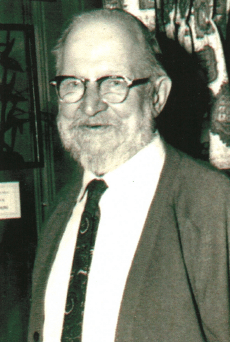
He died in August 1973. His children Dick, Ernest, Ruth, Ellen. Ernie died in 1966.
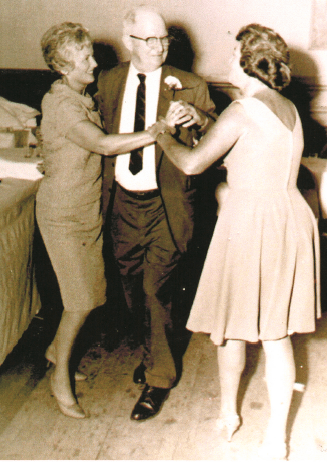
3 grandchildren of Dick and Verne: twins Bruce, Donald and Lance.
4 grandchildren of Ruth and Bernie: Barbara, Lori, Gary, and (Robert) Adin.
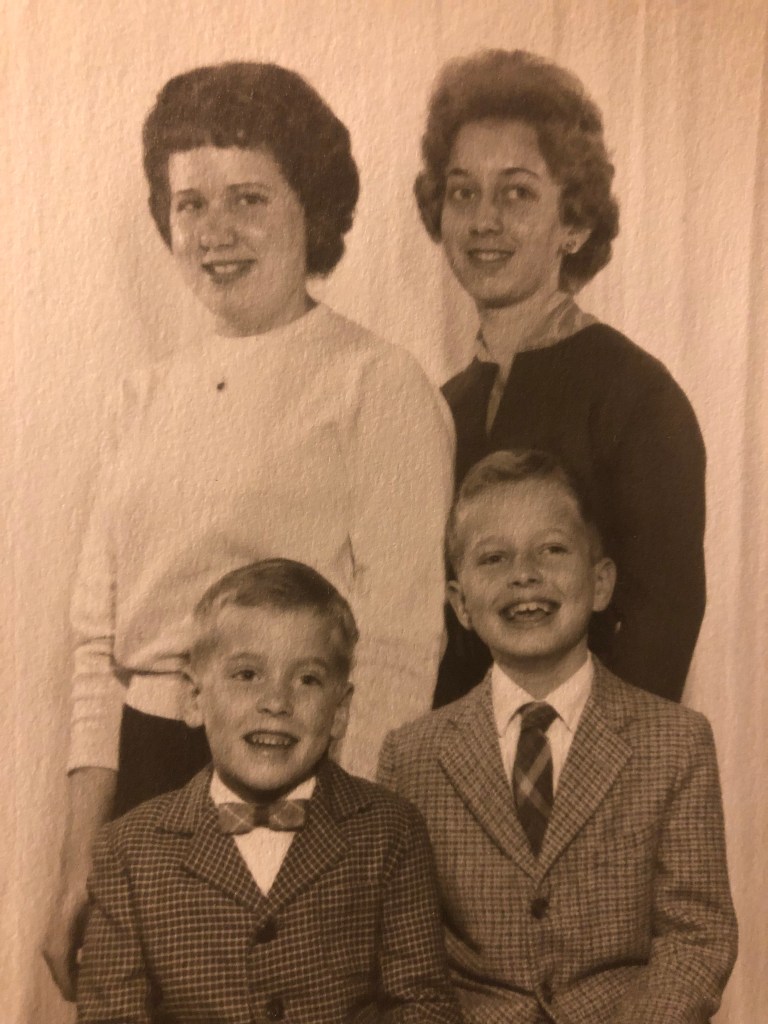
2 grandchildren of Ellen and Merrill: Pamela and Russell.
_____________________
The Taft Lineage
The Taft Genealogy records that Robert Taft Sr. (c. 1640–1725) settled near the frontier town of Mendon, Massachusetts, around 1669–1670, having been born in County Louth, Ireland, of English Protestant stock, the precise circumstances of that Irish birth and English identity are not yet resolved. A carpenter and yeoman farmer, Robert established what would become the Taft homestead in a newly chartered village that later divided into Uxbridge. From this household branched two enduring lineages: the Uxbridge-Hopedale line that remained close to the original hearth, and the presidential line that migrated west as the country expanded. As time and geography widened, so did the family’s moral temperament: a slow metamorphosis of conscience shaped by migration, denomination, and vocation. From the frontier Puritanism of Mendon to rational Protestantism and finally to virtue internalized, the family’s faith evolved while retaining its moral rigor.
This settlement came at a perilous moment. Only a few years after Robert arrived, New England was engulfed by King Philip’s War (1675–1676). Mendon was among the first English towns in the Massachusetts Bay Colony to be attacked; several residents were killed, the homes and meetinghouse were burned, and the inhabitants fled. The town lay abandoned for a time, and only after the war did families like the Tafts return to rebuild on the same ground. For that generation, reconstruction was both necessity and covenant: labor itself became an act of faith. To impose order on what they understood as wilderness was, in their minds, to honor God; belief was materialized in stone walls and boundary lines.
From this rebuilt foundation, the Mendon–Uxbridge line ran directly and without interruption to Mabel Moore Taft. Robert’s son Daniel Taft (1677–1761) carried the local line forward. Daniel’s son Caleb Taft (1724–1782) served as a private in the colonial militia; Caleb’s son Jotham Taft (1747–1819) held the land through the Revolutionary period; Jotham’s son Amariah Taft (1785–1862) carried it into the nineteenth century. Amariah’s son, Austin Augustus Taft (1828–1917), married Helen Maria Mather of Canton, Connecticut, in 1858 and it was through her, not through any Taft ancestor, that the family’s line reconnects to New England’s founding clerical dynasty. Austin and Helen’s son, George Mather Taft (1861–1919), carried his mother’s maiden name as his own middle name; it was he, not an earlier ancestor, who pushed the family’s reach beyond subsistence farming into education, civic service, and the administrative life of the mill towns. His daughter, Mabel Moore Taft (1891–1932), would marry Adin Freeman Messinger of Hopedale.
Helen Maria Mather’s own line runs, by the family’s own 1928 Sons of the American Revolution application (filed by her grandson Levi Rawson Taft), back through Lester Mather (1804–1876) and Eli Mather (1773–1835) to Elihu Mather (1741–1778), a private in the Connecticut Line who died in service near West Point under Washington’s main army, and beyond him to Atherton Mather (1663–1734) and Timothy Mather (1628–1684), a son of the Rev. Richard Mather, the Lancashire minister silenced for nonconformity who crossed in the Great Migration of 1635 and became the founding patriarch of New England’s most consequential clerical family.

Timothy’s younger brother was Increase Mather; Increase’s son was Cotton Mather. Timothy himself took no pulpit (contemporary records call him “the farmer Mather”) but the blood runs through him rather than through his more famous brother.
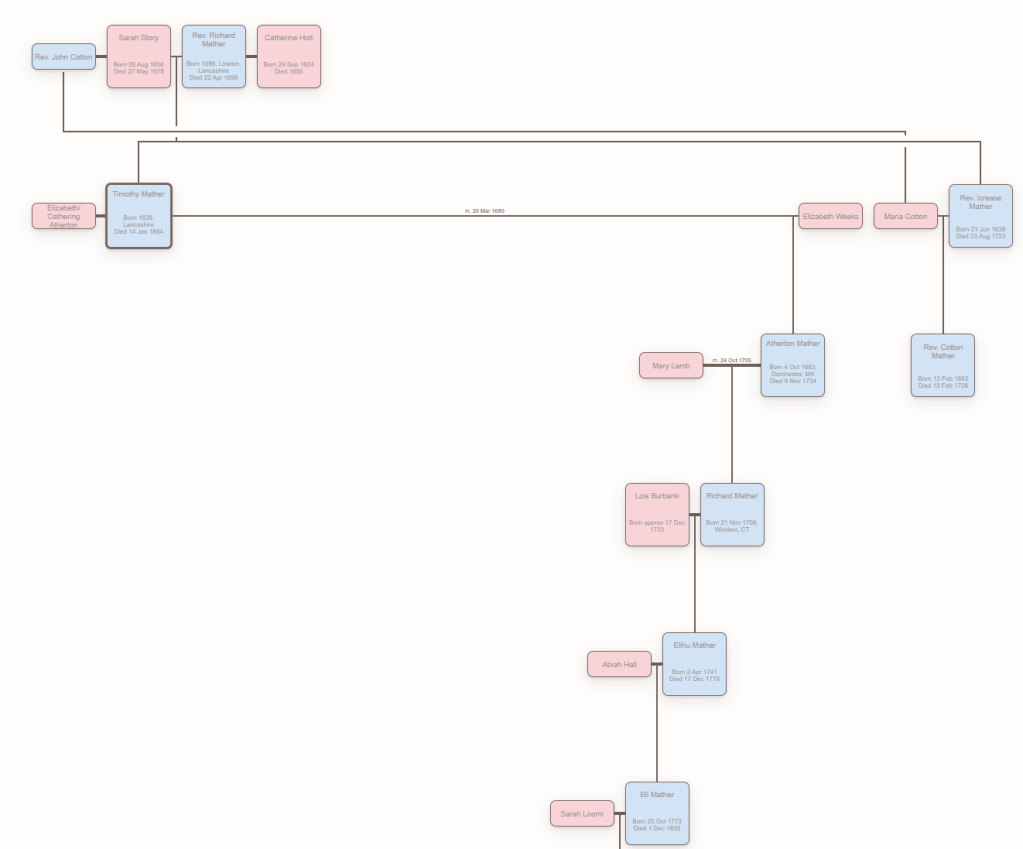
The Mendon–Uxbridge Tafts are not merely adjacent to the family that built New England’s covenant theology; they descend from it directly, through the one brother who left the ministry to the others and kept a farm instead, which makes the later drift from “frontier Puritanism” through “rational Protestantism” to Unitarian church socials in Hopedale a passage through the actual bloodline of the theology being left behind, not merely its neighborhood.
The Mendon–Uxbridge Tafts lived inside a regional culture that prized self-improvement and public duty. As New England moved from subsistence agriculture toward industrial villages and reform movements, the family’s ethic traveled with it: from hard-soil Puritanism to the cooperative experiments of nearby Hopedale and the small-town civic roles that anchored nineteenth-century Massachusetts life.
A parallel branch carried the Taft name north and then west. Aaron Taft (1743–1808), a great-grandson of Robert Sr. (through Joseph Taft (1680–1747) and Peter Taft (1715–1783)) left Mendon for Vermont. His son, Peter Rawson Taft (1785–1867), moved again, this time to Cincinnati, Ohio, joining the broader wave of New England professionals who transplanted their habits of town governance and church discipline onto the expanding American frontier. (Peter Rawson’s own wife is not reliably recorded — a genealogical record listing his mother, Rhoda Rawson, as his spouse is a transcription error, not a marriage.) Peter’s son Alphonso Taft (1810–1891) rose into national office as U.S. Attorney General and Secretary of War under President Ulysses S. Grant. Alphonso’s son, William Howard Taft (1857–1930), carried the family further still, serving first as President of the United States and later as Chief Justice of the Supreme Court.
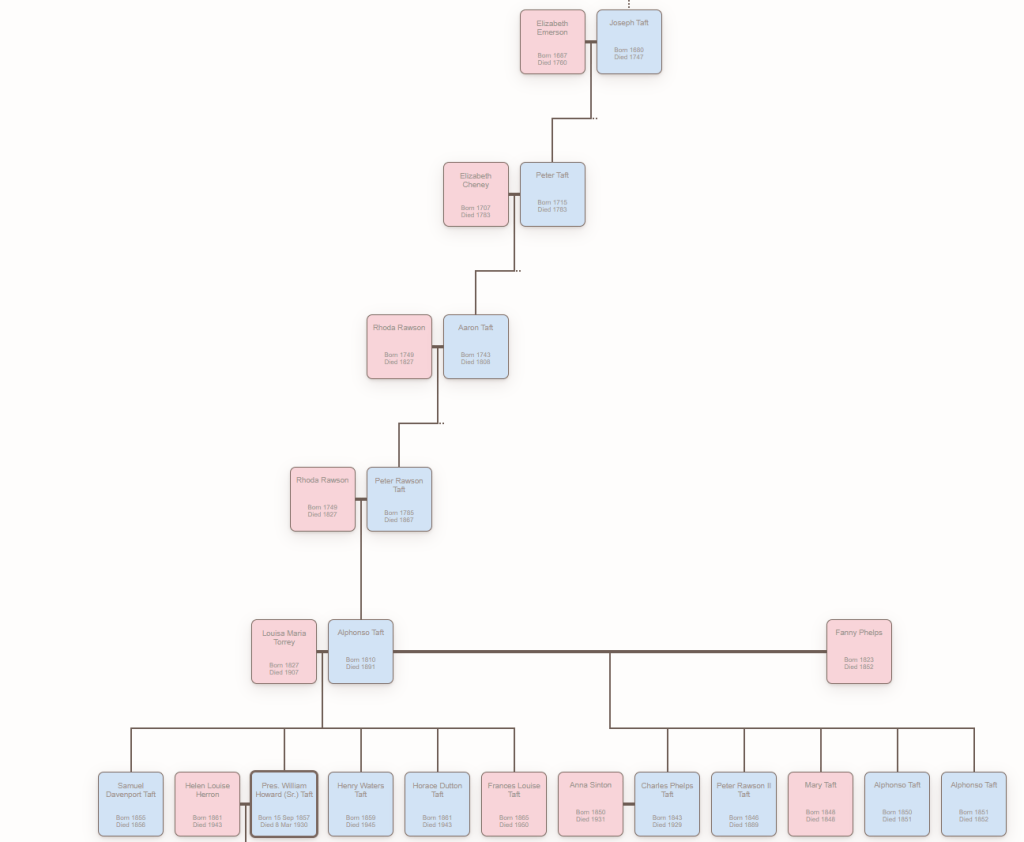
The common ancestry of both branches runs back to Robert Taft Sr. on that Mendon farm. The degree of cousinship between Mabel and President Taft is distant, fifth or sixth degree, depending on how one counts, but the shared root, and the shared inheritance of civic Protestant duty, is clear.
From the mid-eighteenth century onward, the Taft and, later, Messinger lines moved through the familiar New England religious evolution: from strict Puritan covenant theology to a more procedural, civic Protestantism, and finally into the Unitarian forms that shaped the twentieth century, where Adin Freeman Messinger met Mabel Moore Taft at church socials in Mendon. In the Mendon–Uxbridge branch this meant church-centered town government, school committees, and the reforming energy of places like Hopedale. In the Ohio branch it meant lawyers, judges, and administrators who translated the old Puritan faith in order into a secular creed of law and procedure.
_______________________
Horace E. Mather’s 1890 Lineage of Rev. Richard Mather
Vital Records of Mendon, Massachusetts, to the Year 1850. Worcester: Franklin P. Rice, 1903.


5 thoughts on “Taft / Messinger Lineage”
Comments are closed.