My father died while I was hunting sage rat in eastern Oregon. I had been anticipating a call from my sister to let me know when his next heart surgery was going to be scheduled. When I got the call it was a few hours later than expected, the foreshadowing of his death was its delay.
He had not been well. A bad heart and lung capacity diminished by a lifetime of smoking. He had been in the hospital for more of 2019 than he had been out, so it wasn’t a tremendous surprise to learn he had died.
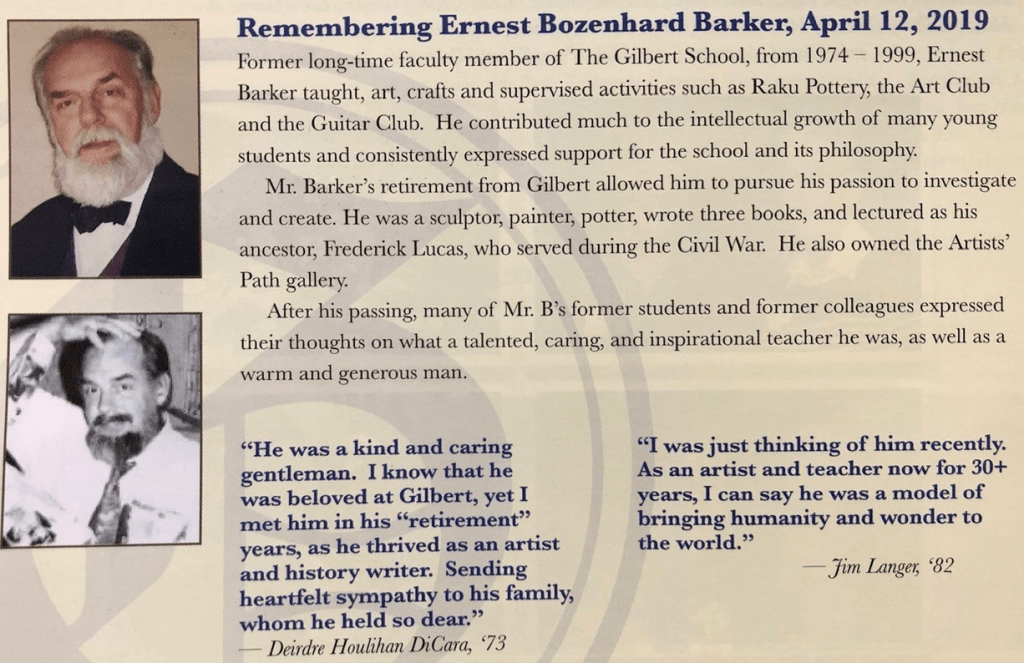
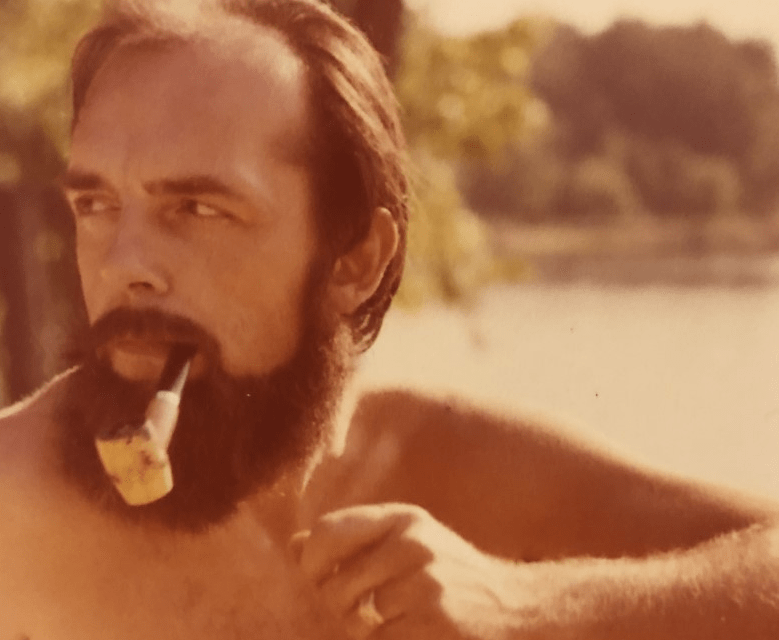
Ernest Bozenhard Barker
Writing my father’s obituary was a perfunctory act of remembrance by a dutiful son. I am not one who processes emotions quickly. Games of logic or rhetoric come more easily and I enjoy the point-counterpoint of debate, but the gravity of emotion is heavy for me. It lies deep and takes me time to process. So his obituary just followed the reporting formula:
_________________________________
GOSHEN – Ernest (Ernie) Bozenhard Barker, 73, died Friday, April 12, 2019, at Hartford Hospital.
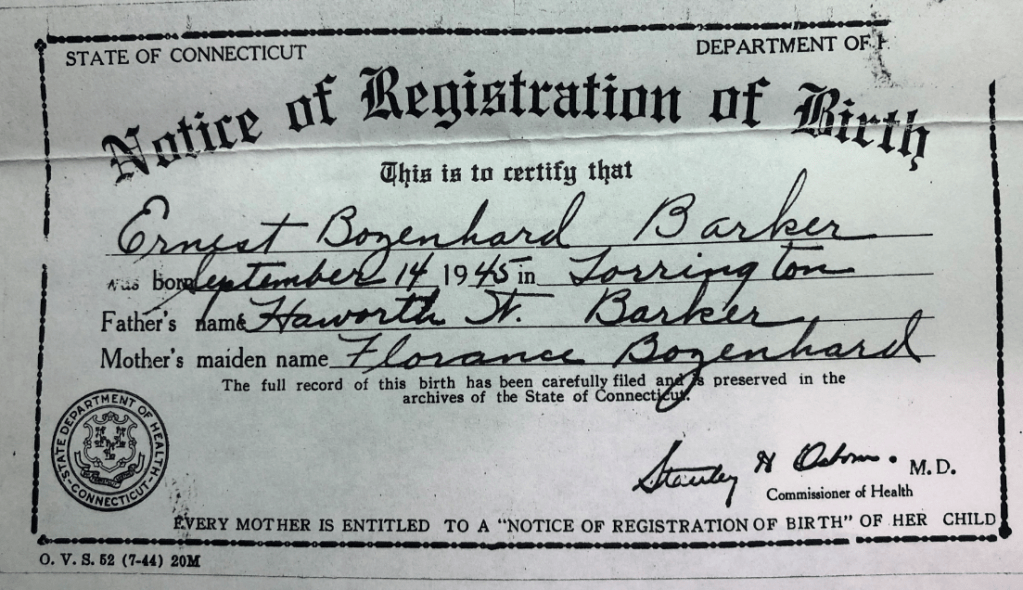
He was born to the late Florance Elizabeth Bozenhard and Haworth Wadhams Barker, Sept. 14, 1945, in Torrington, one of 11 children. He graduated from Southern Connecticut and Central Connecticut with a master’s in art education.
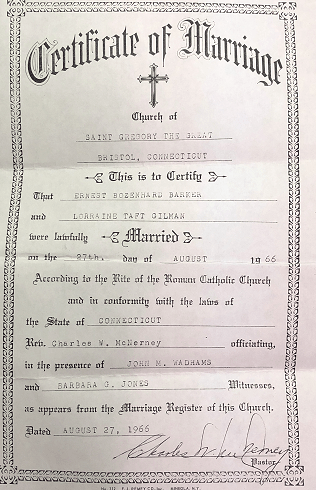
At Southern, he spied his future wife from his dorm room window, announcing to his roommate, “That is the woman I am going to marry.” He had never met Lorraine Taft Gilman, but when he did, he proposed on the first date. They were married Aug. 27, 1966, and started a family shortly thereafter.
Ernie taught art at Winsted’s Gilbert School, where he was known as “Mr. B” for more than 25 years until his retirement in 2000. Retirement allowed him to pursue his passion to investigate and create. He was a sculptor, painter, potter, wrote three books and owned the Artists’ Path gallery.
He lectured as his ancestor, Frederick Lucas, who served during the Civil War.
He is survived by his wife, Lorraine; son Ty and his wife Heidi; daughter Allison Barker-Croce and her husband Ritchie Croce, his three grandchildren, Temperance Croce, Adin Barker, Kyrian Barker; and his siblings, Anthony J. Barker, Haworth W. Barker, Otto C. Barker, Lucy M. Buhrmann, Fredrick T. Barker and Christine Smedick.
Ernie was a warm and affectionate man. In lieu of flowers and to honor his memory, please either donate to the Goshen Public Library or The Gilbert School.
His final wishes were to have a party that will be at 2 p.m. Saturday, May 11, at the Mary Stuart House in Goshen.
_________________________
An outline of a life in truncated paragraphs.
But I am still processing what it means to me now that he is gone.
I knew him as a son. As important as a father is to a son, mine was a limited experience with him. As I flew home for his funeral, I mused that we knew each other a total of 18 summers. I left for college at 18. As I reflect with more time and greater detail, our time together was longer: I returned for the first three college summers, but stayed in Portland for my junior year to complete research for my senior thesis. I also returned after graduating college, but left for Utah shortly thereafter. So perhaps 22 summers is the more correct number. Regardless of the total, the time we spent together is now a fixed fraction of his life and a diminishing percentage of mine.
My father was a high school art teacher, so he had summers off and used them to supplement the family income by painting houses. When I was in high school I worked along side him for at least two seasons. You can learn a great deal about a man working beside him eight to ten hours a day for weeks at a time. Growing up, I had always watched my father work, there was always something that needed doing. Even when he relaxed, it was by doing art or reading or writing. He was never frantic in his actions, I don’t really remember him ever looking rushed, just in perpetual motion.
Always doing: that set one guideline for what it means to be a man. It sounds Calvanistic, proving our worth by productivity. My wife accuses me of not knowing how to relax. Yardwork is relaxing.
Reflecting on my father’s impact on me is easiest when I contrast it with my own relationship with my sons:
A few years ago my younger son Kyrian asked me why in Star Wars it is always fathers fighting sons and sons challenging fathers. I told him a famous man named Sigmund Freud thought it was they way sons become men taking their legitimate place in the world. Kyrian concluded decisively, “Well that isn’t true anymore so he shouldn’t be famous.”
Both my boys surpassed me in height in their pre-teen years – a physical achievement I never accomplished. My father was 6’1″ and I only 5’7″ and height is a marker of status among males. As such, even as I became a more accomplished athlete, student, and eventually financially successful, part of me always looked to his physicality as a marker of his fatherhood.
When I think about my own relationship with my father I find it difficult to identify anything that he actually did or specifically taught me. The one memorable bon mot I have from him, “Son, assholes are everywhere. So you will need to learn to deal with them.”
Random thoughts and memories will define most of this post, but a chronological construction will provide some structure:
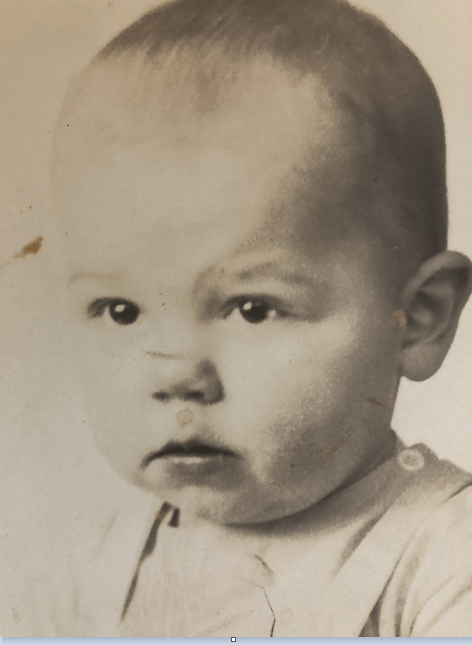
Ernest Bozenhard Barker was born September 14, 1945 in Torrington, Connecticut.
The context is important and the family connection to this part of northwest Connecticut is long.
My father was one of eleven children and sequentially in the middle pack.
As a young man, my father had a temper. One winter he chased one of his younger sisters with the intent of hitting her with a heavy door spring. On the back swing, the spring hook caught on his mitten which flew off, spring attached, only to crash through his grandmother’s bathroom window.

He attended Goshen Center School
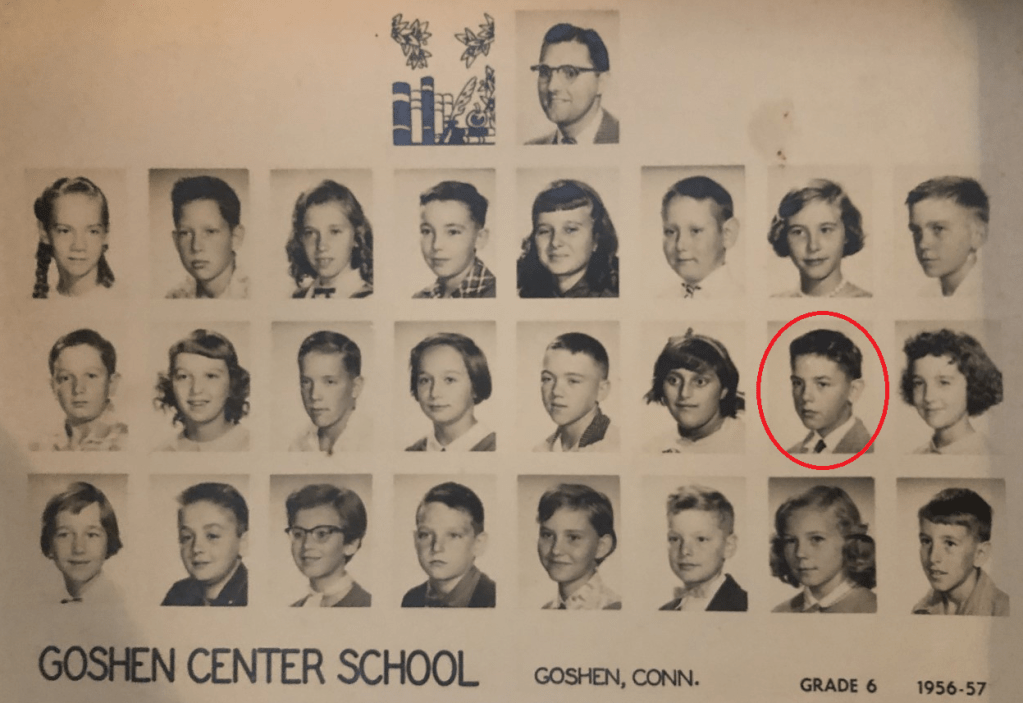
And later attended WAMOGO (Waren, Morris, Goshen all send their students to a collecting regional high school). He never told me of any great stories from grammar or high school but I believe his temper was not much diminished.

Because we moved to Goshen, I too attended Goshen Center School and WAMOGO and attended with the children of some of his classmates. Continuity. Several of my high school teachers also taught my father.
Ernie went on to attend Southern Connecticut for art. He was not a disciplined student.

His room mate was Ron Spiegelhalter. A college vignette: Ron was working late on a paper when my father was trying to sleep. Awakened by Ron’s persistent typing, my father got out of bed, picked up the typewriter and thew it from the dorm room window.
He met my mother while attending Southern Connecticut State University. They were married August 27, 1966. My grandfather (mother’s father) insisted that he shave for the wedding ceremony and threatened to wear a lime green tuxedo if my father didn’t. My father was young enough (not quite 21) that his mother had to grant permission for him to marry.
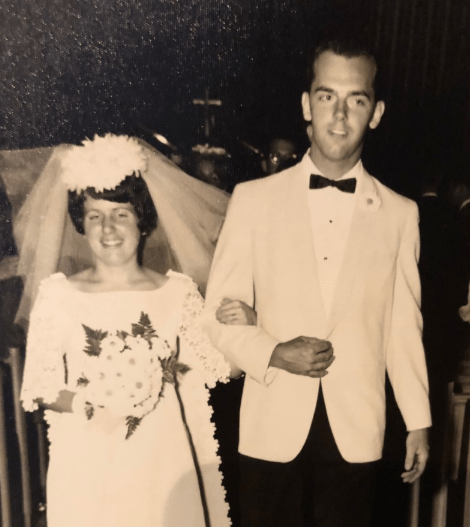

My mother’s father was Catholic. That should have been a scandal for a long-standing Protestant family, but, fortunately for my father, his older sister had also married unwisely and set the precedent for WASPish disappointment.
I was born July 8, 1968, a little over a year after they were married and my father not yet 23. My parent’s sent a birth announcement as only artists would

And my mother’s grandfather, Adin Messinger (my eldest boy’s namesake)
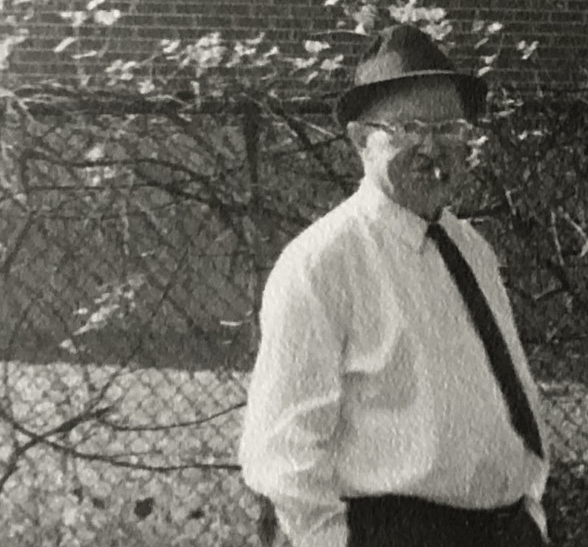
responded in kind:
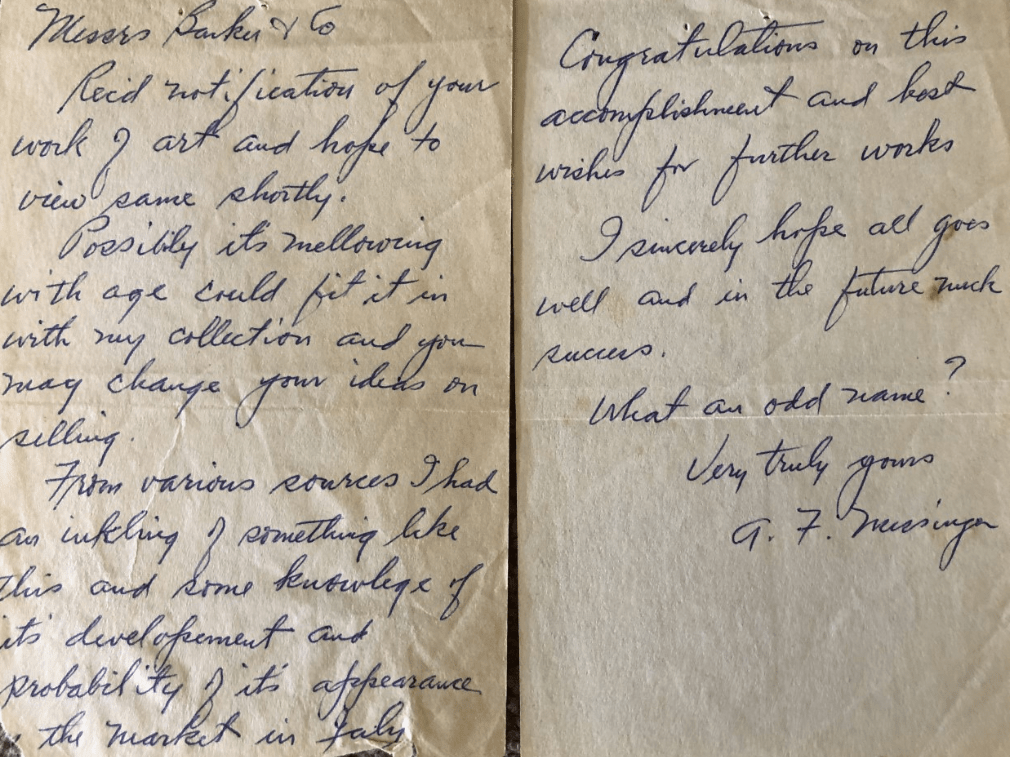
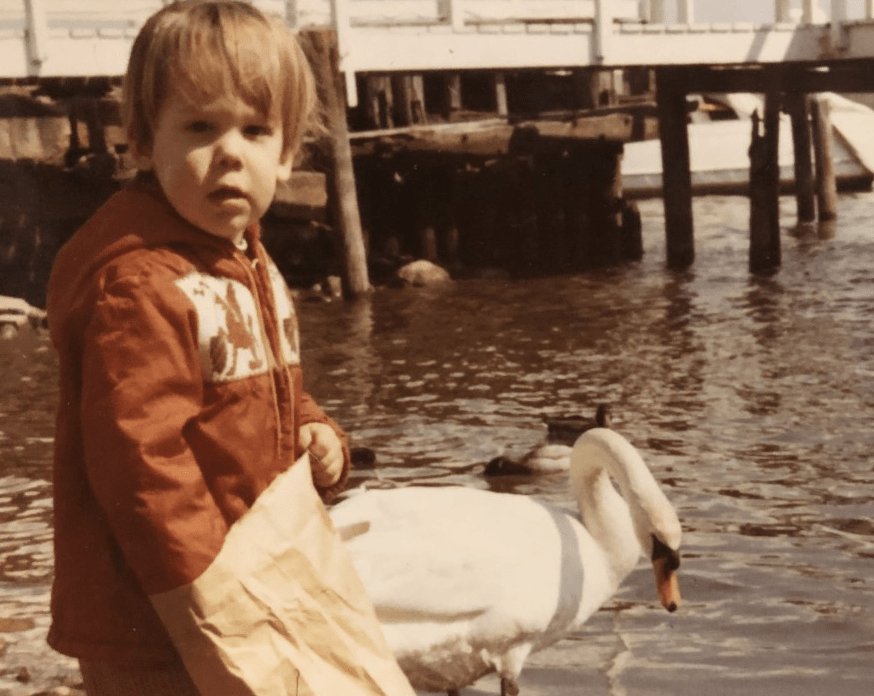
I was born in New Haven, where my parents lived in an apartment. I have no memories of that time, but photographs show me I fed swans in Essex:
And my mother assures me I loved to go to church, to visit God’s House, but only when it was empty.
I have a dim memory of my mother’s youngest brother Uncle Adin (Robert) Gilman coming to stay with me while my parents went to the hospital for the birth of my sister. Allison Avis Barker was born December 10, 1970
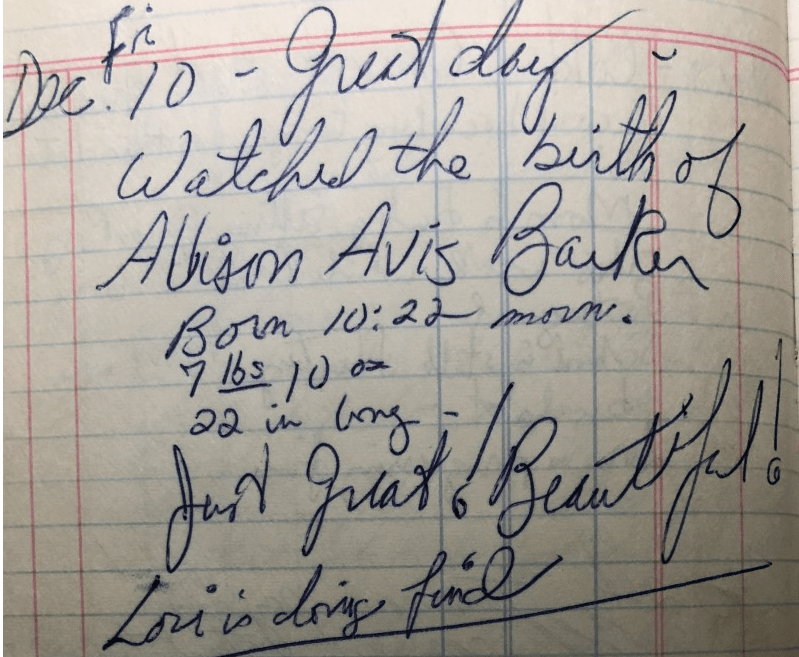
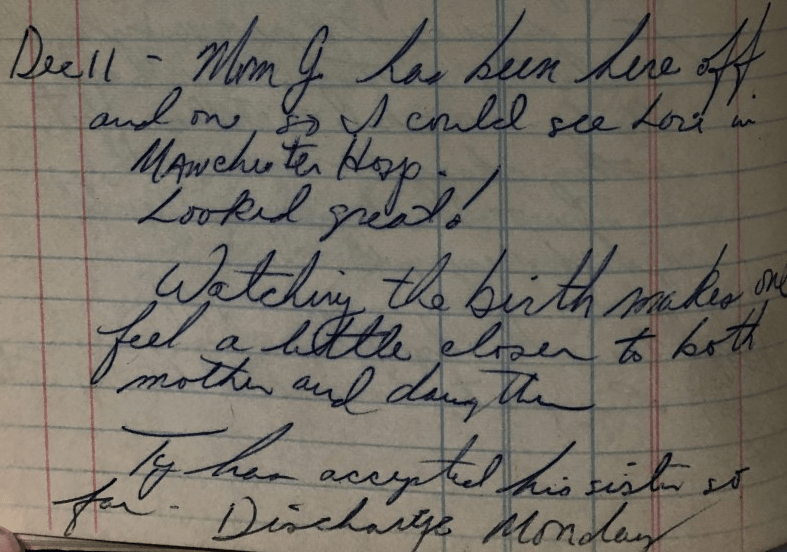
My father was just 26 and my mother 28 when Allison was born. I was two.
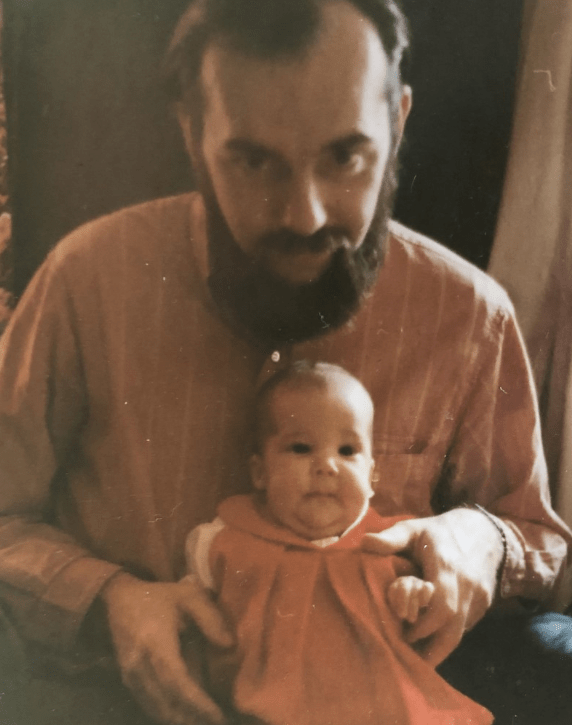
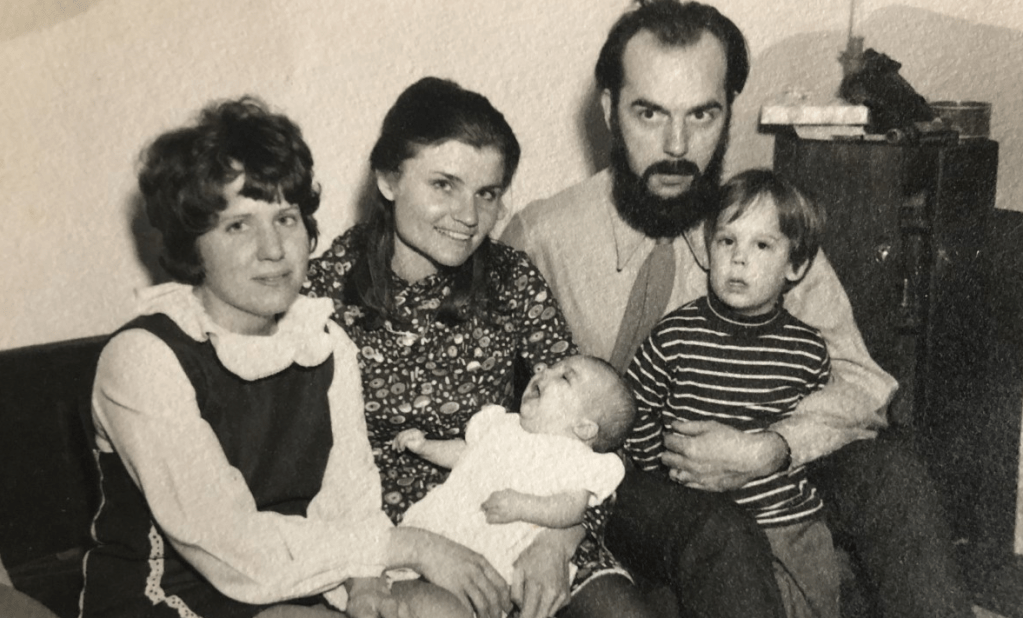
A father to two children at 26 years. My mother stayed home with us and continued her own craft while my father took teaching positions. He hated his first teaching job in Old Saybrook, but it affording him an opportunity to buy his first house, June 1972, at 98 Buena Vista Street in Unionville, Connecticut.
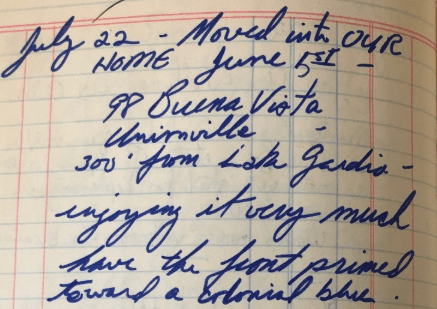
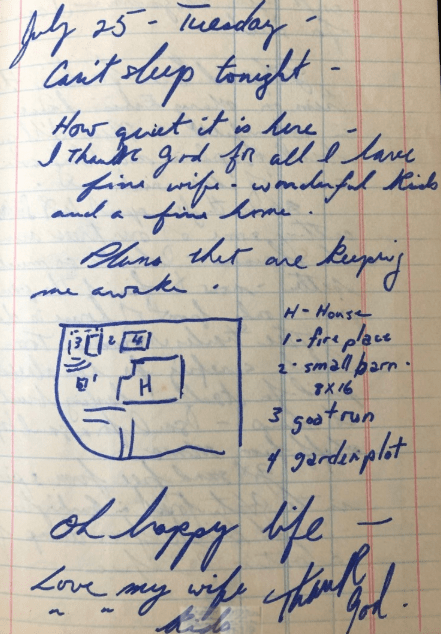
My father always had plans, was always improving the homestead. Later he would quip, “If a house is ever complete, then it’s time to sell it.”
We never had a goat in Unionville (we had chickens that were in violation of the zoning) but I remember getting an American Anole (“Green Eyes”) and guinea pigs that died from eating the curtains left too close to their cage.
We also had a dog, named Snoopy. I don’t remember the dog well and only have a vague memory when he had to be put down. He had wandered off only to return with a badly cut leg that was his demise.
Suffering croup. I know it was in the house on Buena Vista. I woke in a panic not being able to breathe. My father turned the shower to hot, filling the bathroom with steam. I remember him sitting on the toilet holding me on his lap as I struggled to breathe normally again. That memory kept me from ever smoking.
There was a false step in the stairs going to the attic where my mother had her sewing machine and supplies for fabric applique art. My sister and I could lift the stair tread and climb into the storage area.
Lake Gardia – Jeff and Steff Belcher raising two sons with muscular dystrophy. Jeff was a minister and I remember he played folk songs into the night by the lake. Arlo Guthrie, the Train they call the City of New Orleans.
Between our house and Billy Stein’s, my father made a sculpture from an old oil tank – cut away pieces with a torch. I remember its rusted patina.
I inherited some of my father’s youthful temper at that age. I do not remember why, but I had a fight with Doug Stein which my parents broke up and separated us. I was told to go inside, but I remember climbing out the basement window to continue the fight. I punched him solidly in the mouth, chipping his tooth. He stood there unfazed. I got a staff infection and still have a scar on my right middle knuckle. My parents had to pay the dental bill. One of the precursors for the eventual move to Goshen, I suspect. But a job prospect at The Gilbert School in Winston was probably another.
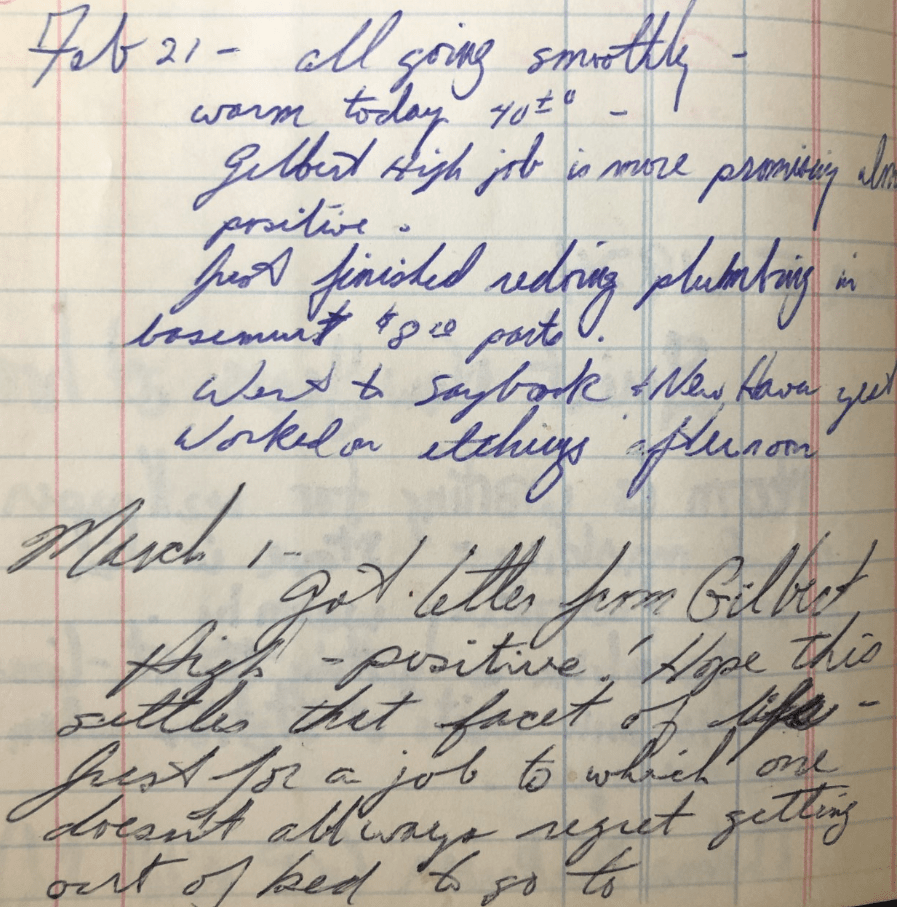
March 1, 1974. “Got letter from Gilbert High – positive! Hope this settles that facet of life – Just for a job to which one doesn’t always regret getting out of bed to go to.
He would stay the remainder of his career at Gilbert until he retired, as soon as he could, aged 55, in 2000. Retirement at 55 – another achievement of his I will never match or surpass.
My father was 29 when his father died, in 1975, which he noted in his journal without much commentary.
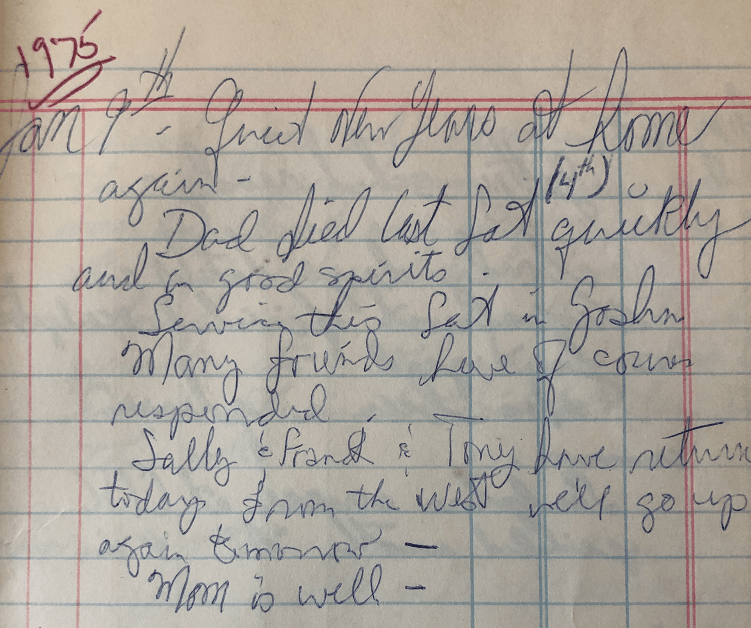
But the reflections were deep and then memorialized with a poem several decades later.
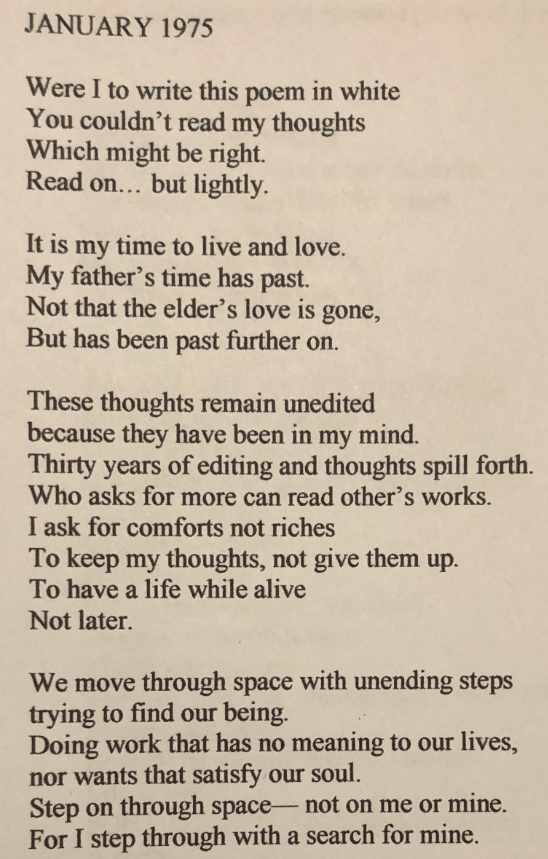
So perhaps that too comes to me from him – long emotional processing.
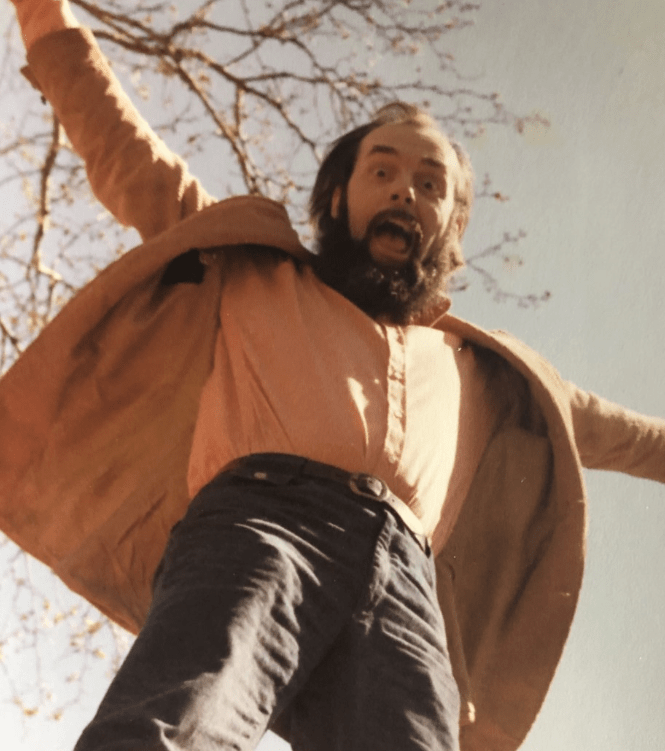
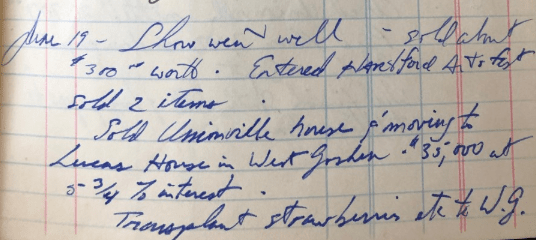
In June 1978 they sold the house in Unionville and purchased the West Goshen house
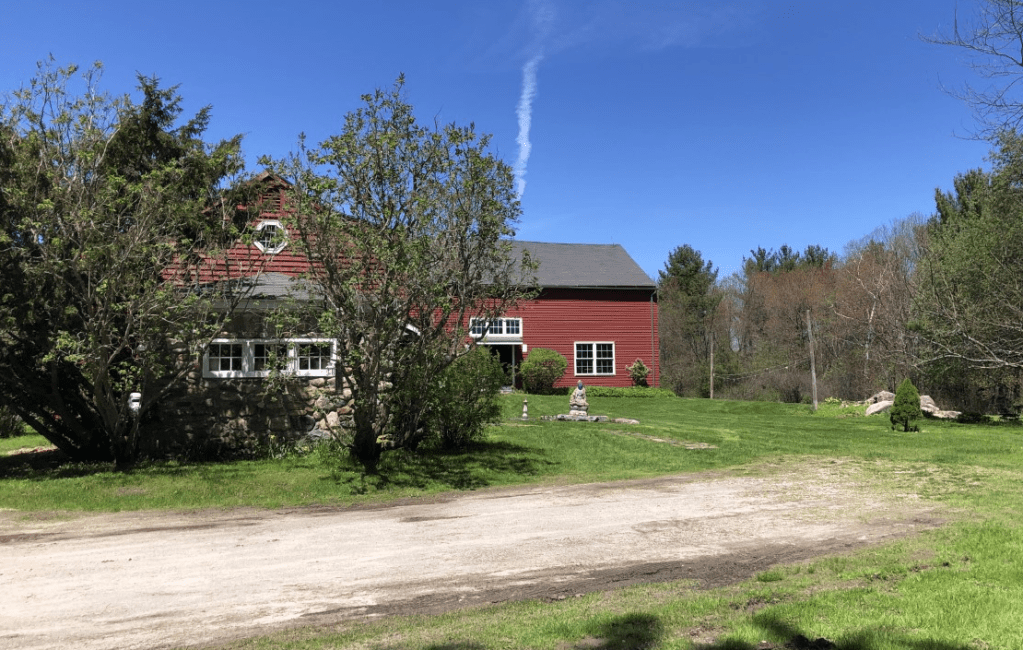
The house in West Goshen. 13 Bartholomew Hill Road. My grandmother (my father’s mother) inherited the house from her cousin – she was the only living relative who remained, and my father purchased the house only to remodel it extensively.
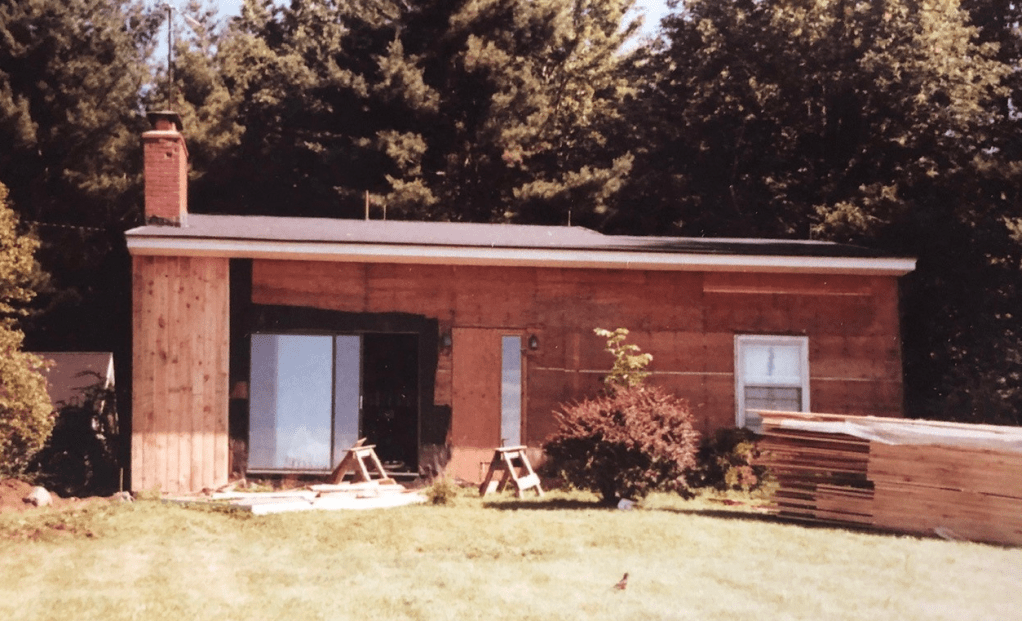
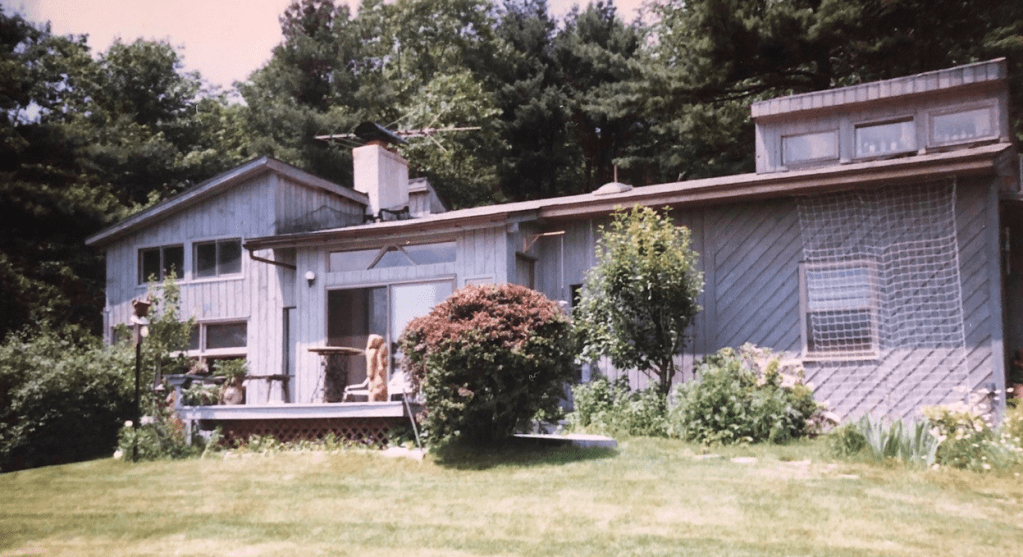
My father took out a total of one building permit – he just never closed it – so the house continued to evolve and expand, an addition, enclosing the porch, another addition over the porch, an outbuilding, then the straw bale house.
Nothing was even plumb. A one-eyed carpenter who was fine with “close enough.” The furnace never served more than the original house, so my bedroom (the addition) was only passively heated and mainly by the wood stove. If you are cold, put on a sweater. Endure mild discomfort. A valuable lesson.
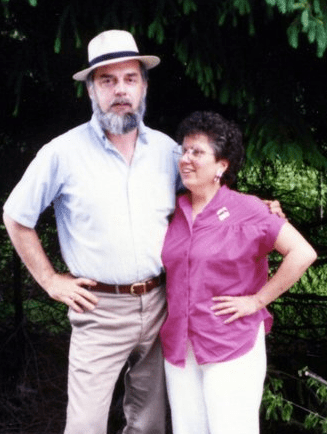
My father was 35 when his mother died January 17, 1981 which he noted Laconically in his journal. I was 13 and remember well my grandmother’s aphasia. I remember sitting with her and my parents having a conversation. My mother was very adept at interpreting what my grandmother was trying to say even though the words had no connection to the intended referent. I recall being frustrated and my frustration clearly showed my grandmother – a life long teacher – that she could not be understood. Part of me remains convinced that was a catalyst for her death – how could she not be understood?
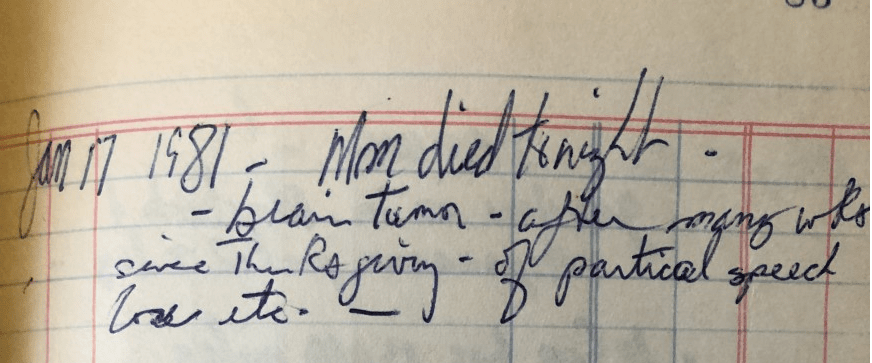
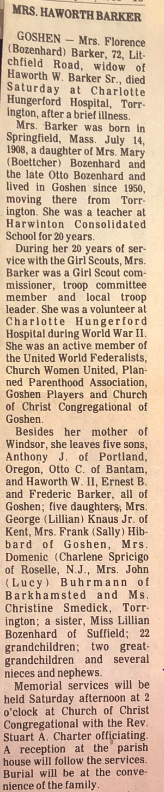
I didn’t find any poems about his mother.
Random memories from Goshen:
“Hunting” with him and uncle Frank – more of a walk in the woods – was the gun even loaded?
In high school I needed to meet a final report deadline and he stayed up late typing my paper on “The Battle Of Hastings.” His frustration was palpable even though he never said anything. I never procrastinated again.
He had purchased a pickup which had the rear bed removed, nothing but a wood flat bed on the frame but it had a remote start. I was of driving age, so I was between 16 and 17 and he had let me borrow it. I recall having parked it and pulled the emergency brake as a precaution since it was winter and didn’t want to rely solely on the transmission to hold it on our sloped driveway. The next morning the brake cable was frozen and I remember him taking a butane torch to release the brake cable. I saw then his determination, self-reliance and ingenuity. His frustration a quiet reminder that I need always consider the potential ramifications.
Bruce playing Ragtime as the bedtime song at the house in Maine with the Schmidts.
I remember trying to argue with him about righteous retribution. As an all-knowing, self-assured teen, I had steered the conversation to retribution. I forget the details, but essentially it was when murder was an appropriate response and he was counselling me the proper answer was “never.” I recall making the point – so you mean you wouldn’t kill someone who had just murdered mom? I think his response was compassionate silence. As he grew older, his counsel was less compassionate, but his wisdom was such that he has left in me a profound doubt that vengeance is ever righteous – despite my intellectual conviction that it is.
He woke earlier than everyone in the family. I was usually next awake. I see him clearly, reading while eating breakfast cereal before leaving to teach. He read voraciously.
As a father his emotional responses were almost always measured. I do not recall him getting visibly upset. Even when I crashed three cars (Volvo, LeCar, Chevy) or tried to bait him into arguments.
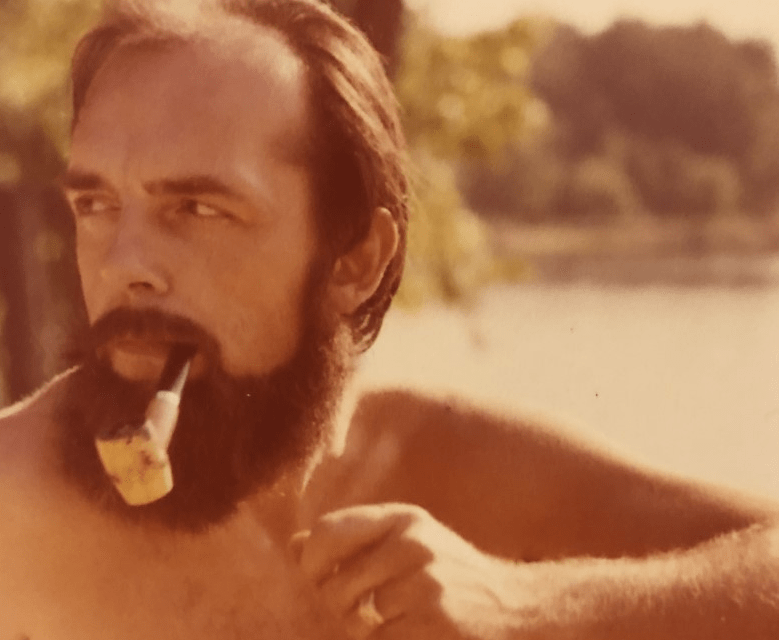
The only time I remember him getting flustered is one night I returned from a party – so it must have been the summer of my senior year of high school – when I came home late to find him and my mother awake in bed waiting for me to come home. I went to say good night and when my father looked up from his book, I saw he had shaved his beard. I had never seen him clean shaven and I laughed immediately, “Dad, what happened to your chin?” This started my mother laughing and neither of us could stop. My father was visibly upset, nearly left the bed from frustration, and never again went unshaved. As a youth, my father had broken his jaw after falling from the upper bunk and landing on a Franklin stove in the “ice shed” addition to the house he grew up in.
His broken jaw was one of many injuries suffered as a youth. And although he never really discussed them, his injuries in many ways defined his life.
Because of his broken jaw he spent more time with his father than many of his siblings. With jaw wired shut to hold it in place to heal, my father had a few teeth pulled so that he could drink through a straw and take sustenance. I believe that it was around this time that he started taking sculpting lessons from Paolo Abbate
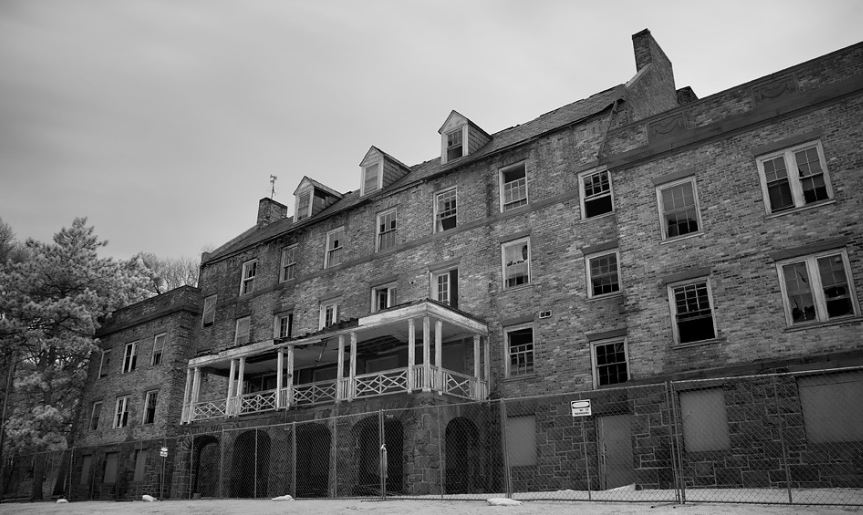
In high school my father was a basketball player. He was althletic and physically adept despite having one leg slightly shorter than the other. He had a pin in one leg (to stimulate growth or impede it? I do not recall) but one leg was shorter as a result of a minor bout with polio. My mother doesn’t remember it that way, but my Uncle Tony remembers him ensuring a stint at the Newington Home and Hospital for Crippled Children.
Facts are elusive.
I do not know how old he was when he blinded himself in one eye, but his accident is the reason I am alive. He had taken a fan motor from a car and wired it to a house 120v outlet, overloading it and causing it to explode. The fragments blinded him. His blindness in that eye disqualified him from military service and he avoided Vietnam.
Polio leading to a life a sculpting.
Partial blindness leading to avoiding the draft.
Avoiding being drafted leading to college.
Leading to marriage and fatherhood.
Random events that shape our lives. Destiny?
When I was 17 my father turned 40 – that struck me as a profoundly important milestone – that I recorded as a creative writing assignment:
_____________
Last Sunday He Turned Forty
The man in his studio was a displaced inhabitant of a much better time. He stood, chisel in hand, contemplating his newest work; a nude in oak. The man, himself, and his studio were nearly symbiotically attached to each other. Like a single entity, the man knew exactly where everything was amidst the apparent chaos, and he preferred it that way. He found simplicity in chaos.
His art work had varied in form over the long years, but his style was always evident; his identity was always preserved. He had done etching, painting, woodworking of all kinds, pottery, and stone-carving. He could do it all. And he even had a piece of paper from the state saying that he could teach to others what he knew. He enjoyed teaching, for the most part, and tried to make his classes interesting to the few who enjoyed what he had to teach.
He found pleasure in simple things and had long ago reduced life to a piece of wood or stone. The complexities and insecurities he had experienced do long ago were blown away, like dead leaves in a strong fall wind, when he was married. I knew he had once felt those insecure feelings when he gave me a simple, water-stained, brown book. Inside were old newspaper clippings and photographs of his parents, what they had done, who they were, it was all there in simple black and white. As I read further, glancing over the odd clippings of his own deeds, I found the private thoughts of that youth. They were, like everything else in the man’s life, artistically done in poetic form. I read on. Poems of confusion, poems of insecurity, ones which questioned, they were all there. We weren’t all that different, were we? But those feelings of his were gone and mine were only starting.
The man I knew was not an imposing figure. He stood just over six-foot with a bulging waist-line, but he still had some of his youthful appearance – which was quickly becoming replaced by an air of distinction. His once black hair was showing signs of graying, but his hair-line, which had been receding since he was in high-school, had remained just as high on his forehead as when he was thirty. The character lines on his face made him look like an old sea-dog or perhaps a great navigator who had sailed, single-handed, around the world. But he had never done those things. His early spirit for adventure had been consumed by his imagination and his work ethic; his passions went into art and his energy went into work.
Last Sunday he turned forty. I can’t explain the feelings I got from him, but I think he was wondering if he could and should have tried to follow his earlier dreams. Whenever I ask him if he is happy or note, he always answers, “Yes,” and he is never one to tell even half-truths. But I also wonder if he hasn’t just gotten used to his situation. When I question him why he is happy, he always responds, “Because I like doing my thing, just working in my studio, and enjoying the company of you kids and mom.”
I can never thank that man enough for all he has done for me, except maybe I’ll live the adventurous life that he never could, and maybe he’ll live that adventurous life through me. I hear that’s why parents have kids.
______________
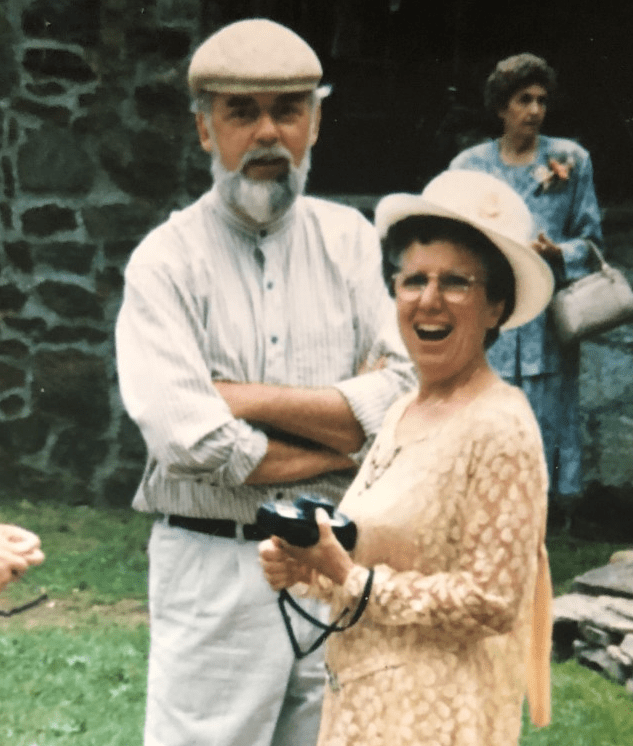
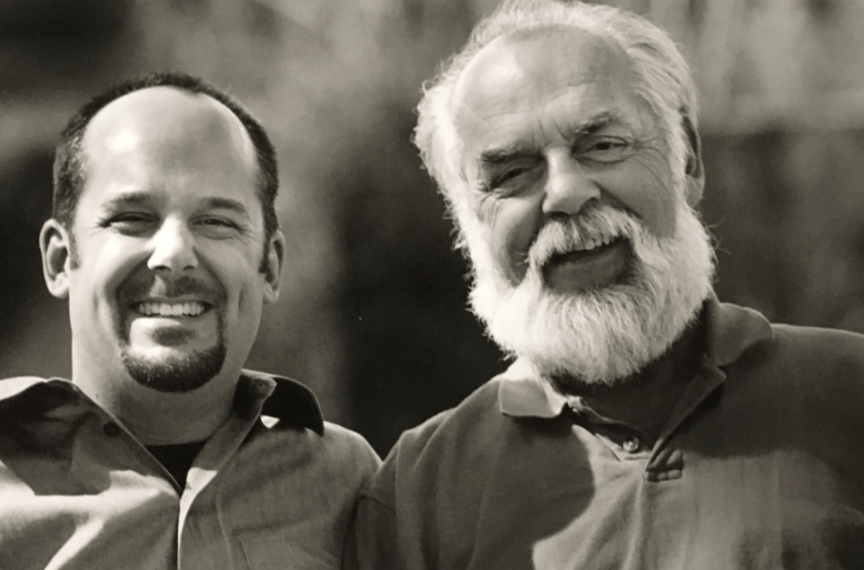
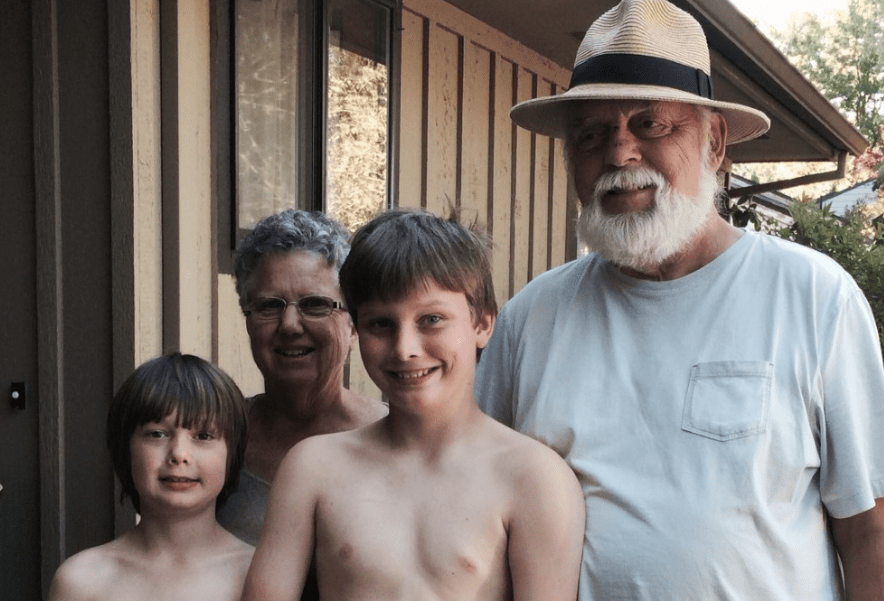
As a grandfather, I wish we had been geographically closer.


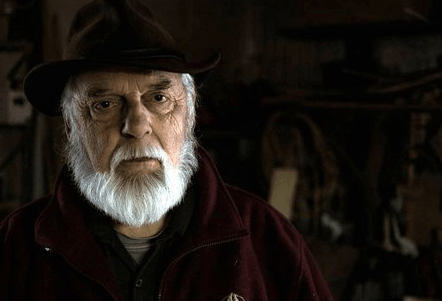
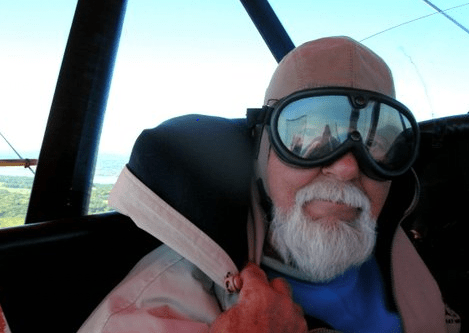
His last book was a work of fiction inspired by photographs from the mid 1900s found while cleaning out his mother-in-law’s attic. Sumner is set during WW1 and in part recounts the early days of aviation. He lived his inspiration riding in a biplane:
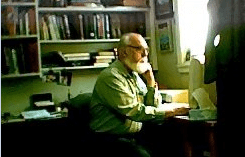
My father loved to read. He also loved to research and write.
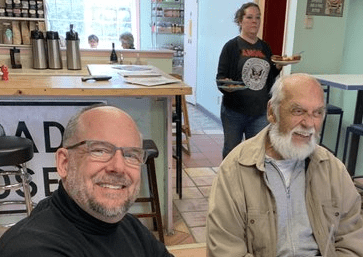
Spring Break 2019, I took my family to visit, knowing but not wanting to acknowledge that it would be my last time with him.
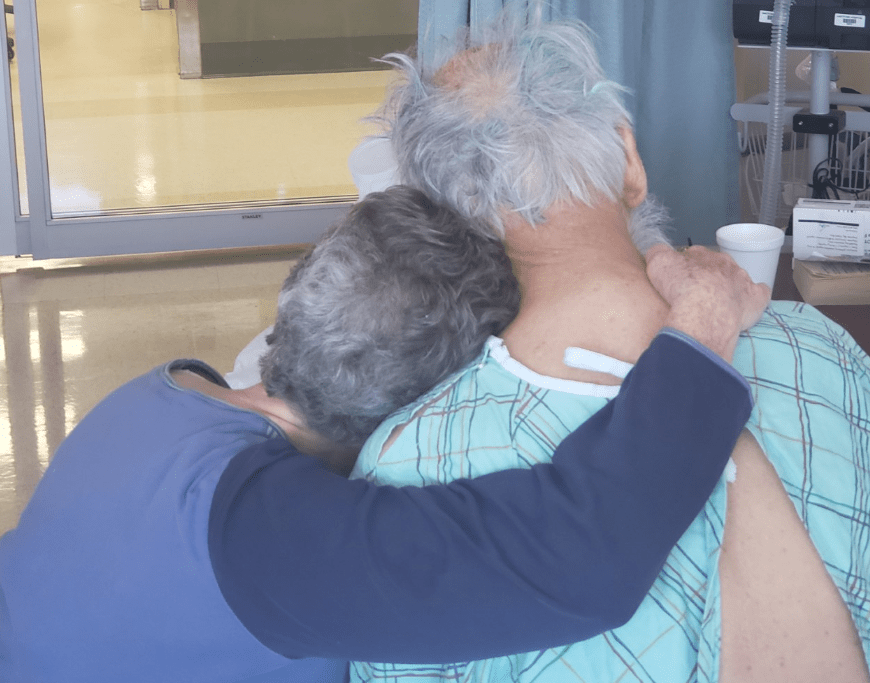
I had to fly back, this time alone, for his funeral just a month later.
My Uncle Gary brought several bottles of scotch, better than my father drank while alive. Some context to set the scene: My father was a sculptor. He worked and carved wood with chisel and mallet – ruining the ligaments in his thumb. My parents were of limited means which set the context for my uncle’s toast. Gary challenged me to make a memorial toast, and mine was some platitude on the importance of fathers to sons. Uncle Gary nodded – silently letting me know it was a sad attempt at wit. His was sure to be better:
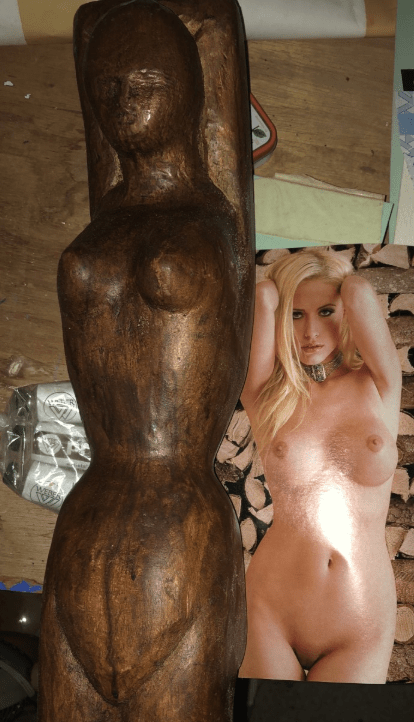
“To Ernie Barker, the only man who didn’t buy Playboy for the articles.”
My father used Playboy and Penthouse as models for his art – live models are expensive and not conveniently found in Goshen, Connecticut.
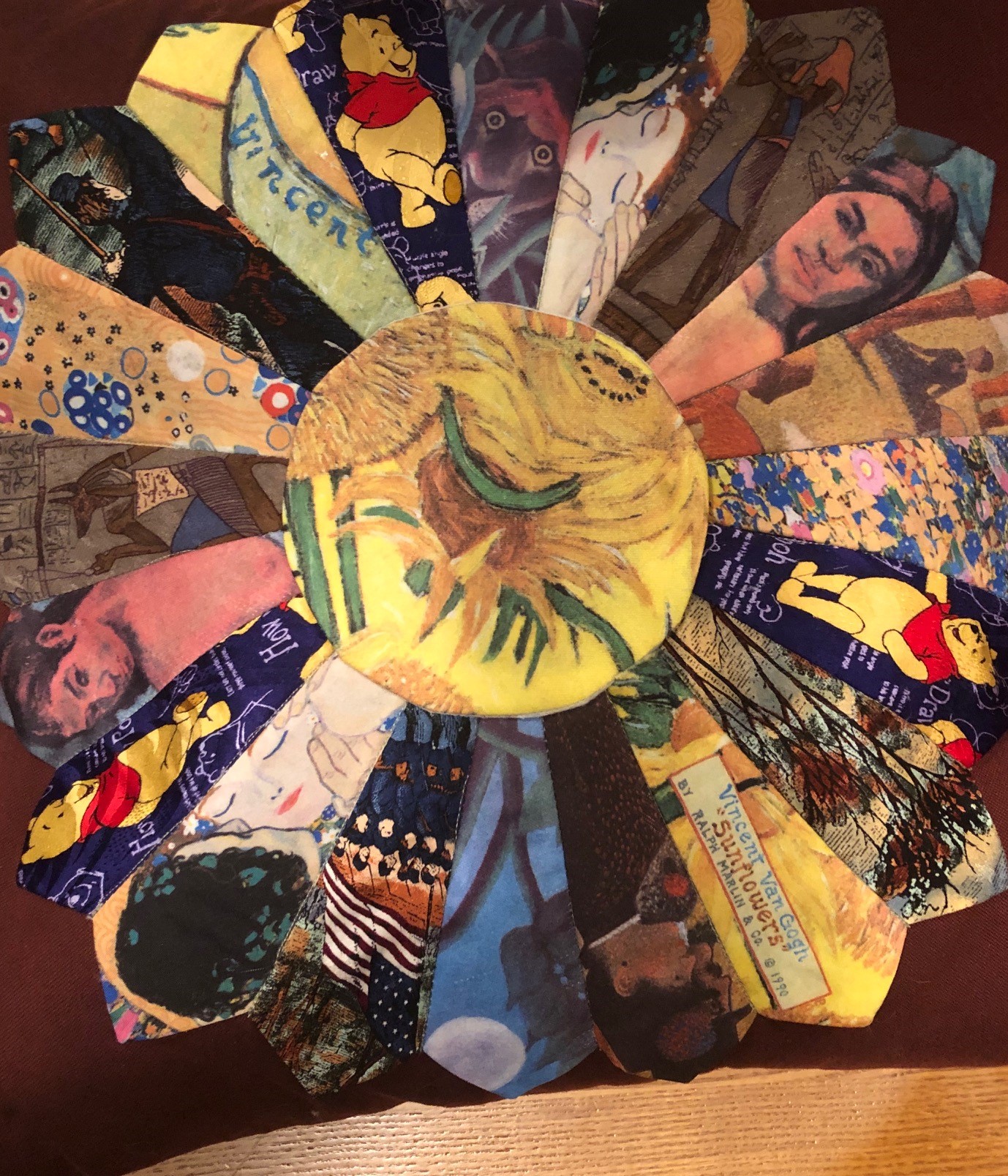
He wore purple and orange. When he taught and wore ties, his were always whimsical. As an remembrance I was given a pillow from his ties.
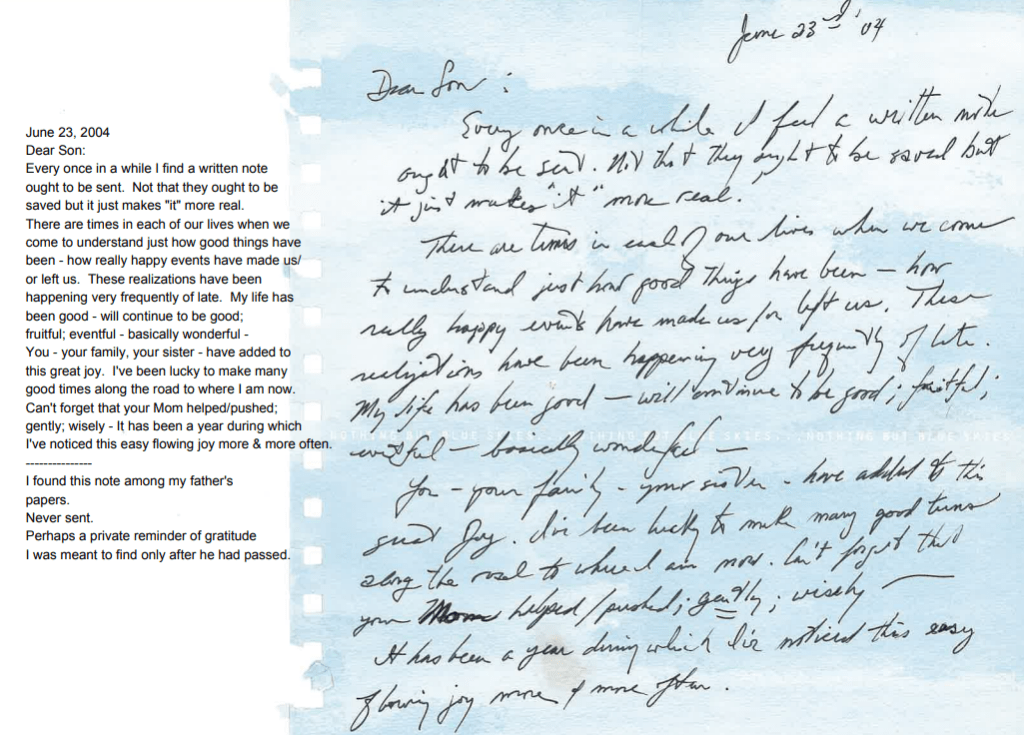
I returned for his funeral. The first night I poured a stiff drink and went through the financial and medical bills that had accumulated. After the funeral I spent a few days going through his papers, mostly research on the Civil War, old family journals, and then, his own. Among them I found a letter he had written me but never sent.
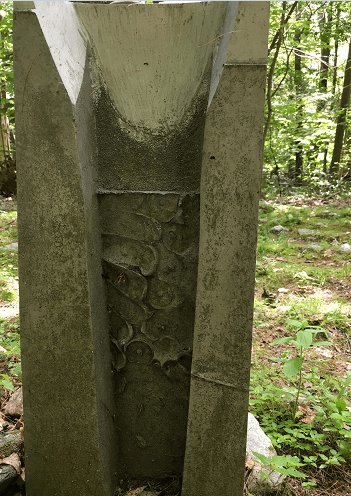
He had joked (?) with me that his sculpture, The Only Way Out is Through, was to be his headstone.
As it is, he was cremated and his ashes scattered in those places most meaningful to him. But a small amount we saved to be used by my cousin Lisa Knaus who added them to a glaze on porcelain sculptures: immortal in art. My father would appreciate that idea, even as he cringed at the vanity implied.